







Yatai Nights: Discovering Japan’s Street Food Scene
What Is Yatai? A Glimpse Into Japan’s Street Food Culture

As evening falls, the scent of sizzling food begins to drift through the air, signaling the arrival of yatai. The word 'yatai" literally means "shop stand," and it refers to the small, mobile food stalls that have been a treasured part of street food in Japan for generations. These stalls are celebrated for serving nostalgic Japanese comfort foods like steaming bowls of ramen, crispy tempura, smoky yakitori, and even sweet treats. A few stalls also offer sake (Japanese rice wine) or beer, making them inviting spots to unwind after a long day. You'll often find them lining the streets during bustling night markets, summer festivals, or along riversides in cities like Fukuoka, where locals and visitors gather side by side, sharing stories and flavors under the night sky.
Bokksu is not responsible for the accuracy of the products’ nutritional or allergen information. Warning: California’s Proposition 65 may be in effect. For more information,visit www.P65Warnings.ca.gov. Some Bokksu Market products are produced overseas and may have a Production Date printed on the packaging, rather than a Best Buy Date as is standard in North America. If your product appears expired, do not be alarmed! This is most likely the Production Date. All items have been double checked to ensure they are not expired and safe to eat.
Disclaimer
×


Disclaimer
×Bokksu is not responsible for the accuracy of the products’ nutritional or allergen information. Warning: California’s Proposition 65 may be in effect. For more information,visit www.P65Warnings.ca.gov.
Some Bokksu Market products are produced overseas and may have a Production Date printed on the packaging, rather than a Best Buy Date as is standard in North America. If your product appears expired, do not be alarmed! This is most likely the Production Date. All items have been double checked to ensure they are not expired and safe to eat.

Disclaimer
×Bokksu is not responsible for the accuracy of the products’ nutritional or allergen information. Warning: California’s Proposition 65 may be in effect. For more information,visit www.P65Warnings.ca.gov.
Some Bokksu Market products are produced overseas and may have a Production Date printed on the packaging, rather than a Best Buy Date as is standard in North America. If your product appears expired, do not be alarmed! This is most likely the Production Date. All items have been double checked to ensure they are not expired and safe to eat.
Where to Find Yatai: Cities, Festivals, and Hidden Alleys

For those eager to soak in the charm of yatai food stalls, there are certain places and seasons in Japan where the tradition truly thrives. Fukuoka stands out as the nation’s yatai capital, where this tradition is woven into the city’s culinary identity. Stalls come alive around 6 PM and keep serving well into the early morning hours. The bustling districts of Tenjin and Nakasu are the heart of the action, drawing crowds of locals and visitors eager for bowls of creamy tonkotsu ramen, comforting motsunabe hot pot, and a variety of late-night favorites. Osaka, often hailed as Japan’s street food capital, offers its own irresistible experience, with the neon-lit streets of Dotonbori lined with stalls serving sizzling okonomiyaki and freshly made, piping-hot takoyaki.
In Tokyo and across Japan, yatai often make their appearance during Japanese festivals—particularly in the vibrant summer and autumn months, when fireworks festivals like the Sumida River Fireworks and seasonal festivals fill the streets with excitement. These festive occasions transform avenues into bustling food markets, with stalls offering everything from savory grilled squid to warm, comforting yakiimo (roasted sweet potato), making the occasion as much a celebration of culture and community as it is a feast for the taste buds.
Takoyaki: The Quintessential Festival Favorite

Golden and crisp on the outside yet soft and gooey on the inside, takoyaki is among Japan's most popular street snacks. These bite-sized savory balls are made from a wheat-flour batter filled with bits of cooked octopus at its center. Cooked in a special molded pan, they're skillfully turned with picks until they achieve their signature round shape, then topped with a drizzle of takoyaki sauce, Japanese mayonnaise, and a sprinkle of seaweed flakes and bonito shavings.
Takyoki's origins trace back to Osaka, when street vendor Tomekichi Endo introduced the dish at his shop, Aizuya. Just two years earlier, Endo had created a snack called raijoyaki, filled with sliced beef simmered in soy sauce along with konjac and green onions. Later on, drawing inspiration from akashiyaki—a Hyogo Prefecture specialty made with a rich egg batter and octopus—he swapped the beef for octopus, giving birth to the takoyaki we know today. While the classic recipe remains a favorite, countless variations have emerged, from toppings of red pickled ginger or scallions to indulgent creations like cheese-filled balls or takoyaki drizzled with mentaiko (spicy cod roe) sauce, keeping this snack endlessly exciting across Japan.
Okonomiyaki & Yakisoba: Hearty Bites with Street Cred

Among Japan's most popular festival foods, okonomiyaki and yakisoba stand out as hearty, flavor-packed dishes that capture the spirit of street food culture. Okonomiyaki, often described as a savory Japanese pancake, is made from a wheat-flour batter mixed with shredded cabbage and a variety of ingredients such as pork, seafood, or vegetables, then cooked on a flat griddle. Its name means “grill as you like,” highlighting its versatility and regional twists. In Osaka, the batter and fillings are combined before cooking, resulting in a simple yet satisfying style. In Hiroshima, however, the ingredients are layered instead, starting wit the batter and cabbage, followed by stir-fried noodles and other fillings, and topped with a fried egg for a rich, indulgent finish.
Yakisoba is another festival favorite, featuring chewy wheat-based noodles stir-fried with thinly sliced pork, chicken, or seafood, along with vegetables like cabbage, carrots, and green onions. The dish is tossed in a savory-sweet yakisoba sauce that gives it its bold, signature flavor. Traditionally cooked on a large teppan (cast iron griddle), yakisoba is quick to prepare, easy to enjoy on the go, and a staple at food stalls during summer festivals and autumn fairs.
Bokksu is not responsible for the accuracy of the products’ nutritional or allergen information. Warning: California’s Proposition 65 may be in effect. For more information,visit www.P65Warnings.ca.gov. Some Bokksu Market products are produced overseas and may have a Production Date printed on the packaging, rather than a Best Buy Date as is standard in North America. If your product appears expired, do not be alarmed! This is most likely the Production Date. All items have been double checked to ensure they are not expired and safe to eat.
Disclaimer
×

Yaki-Treats: Skewers, Grills, and All Things Charred

Few dishes capture the festive spirit of Japanese cuisine at yatai quite like the smoky aroma of food sizzling over open flames. Grilled meat skewers like yakitori, which means "grilled chicken," are a popular choice, consisting of bite-sized pieces of chicken breast, thigh, skin, liver, and other flavorful cuts, cooked over charcoal and seasoned with either simple salt or a sweet-savory tare sauce. Alongside them, you may also find grilled squid coated in sweet soy sauce, with tender rings and tentacles lightly charred to create the ideal blend of smoky and sweet flavors.
For something different, yaki dango offers soft, chewy rice dumplings that are grilled or baked and brushed with a savory soy-based sauce. While the classic soy sauce flavor remains popular, other delicious variations feature toppings such as anko (sweet red bean paste), zunda (sweet edamame paste), or kurumi (walnut paste). Simple, flavorful, and perfect for sharing, these skewered snacks bring people together, turning a quick snack into a shared experience that brings people together.
Sweet Side of the Street: Taiyaki, Candied Apples & More

For those with a sweet tooth, yatai are equally tempting for their sweet treats as they are for savory snacks. One of the most popular is taiyaki, a fish-shaped pastry made from a light batter and traditionally filled with smooth azuki red bean paste. Another popular delight is ringo-ame, glossy candied apples (and sometimes other fruits) coated in a crisp sugar shell, offering a nostalgic festival favorite that’s just as enjoyable to eat as it is to look at.
On hot summer nights, nothing beats kakigōri, a fluffy Japanese shaved ice dessert drizzled with colorful syrups, creamy condensed milk, and fresh fruits. Many stalls also serve contemporary delights like Japanese crepes stuffed with cream and fruit or playful choco banana skewers covered in sprinkles. Whether enjoyed under the glow of festival lanterns or as a refreshing treat between games and performances, these yatai sweets capture the joy and flavor of the season.
Izakaya Meets Yatai: Shared Roots in Snack Culture

In many ways, yatai share the same spirit as izakaya, Japan's cozy pubs where people gather over drinks and plates of comforting Japanese food. Both focus on simple, flavorful dishes meant to be enjoyed slowly, often in the company of others. While izakayas offer small plates of grilled skewers, fried snacks, and hearty noodles alongside drinks, yatai bring that same welcoming atmosphere to the streets, especially during festivals or after nightfall. Whether it’s yakitori fresh off the grill or a crispy okonomiyaki, the focus is on flavors that pair perfectly with beer or sake and encourage conversation. For locals heading home after work or friends catching up at a festival, these stalls offer the ideal late night snack and a place to unwind, turning a quick meal into a memorable moment.
The Energy of Matsuri: More Than Just Food

A matsuri is more than just a place to eat—it’s a celebration of tradition, community, and the joy of gathering. From the moment you arrive, the festival hums with life, drawing you in with music, lights, and the joyful buzz of people coming together. On a warm evening, the streets shimmer with rows of lights and the cheerful chatter of festival-goers, while smoky, savory aromas from Japanese street food stalls drift through the air. Vendors sell popular festival foods like sizzling yakitori, golden tempura, fluffy okonomiyaki, and sweet taiyaki, bringing color and life to every corner. Between bites, you might pass game stalls featuring goldfish scooping or ring toss, with laughter blending seamlessly into the rhythmic beat of taiko drums. As the night reaches its peak, the sky lights up with dazzling fireworks, the crowd pausing to watch, snacks in hand. It’s a perfect combination of flavor, sound, sight, and togetherness that captures the very heart of summer in Japan.
Modern Takes: From Convenience Stores to Snack Packs

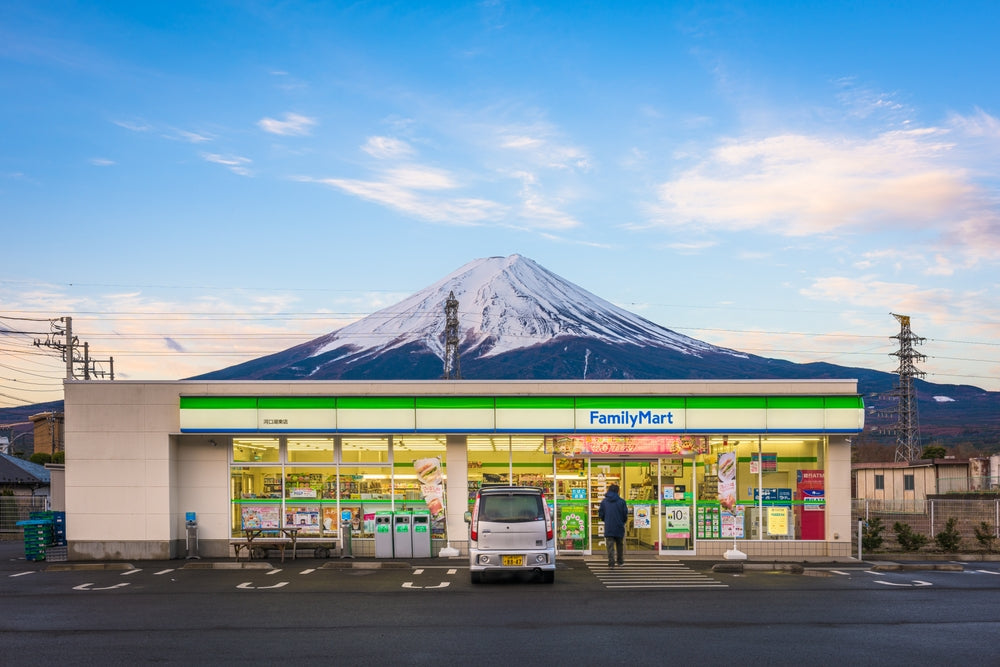
In Japan, the bold and comforting flavors of street food have found a new home on convenience store shelves, blending tradition with modern convenience. Festival and yatai stall favorites like skewered yakitori, crispy croquettes, and golden brown fried chicken are now available anytime, perfectly portioned and ready to enjoy. Many of these snacks capture the same appeal as their street-side originals, from the mouthwatering aroma to the satisfying crunch. Even packaged treats take inspiration from these tastes, with chips, crackers, and instant noodles echoing the flavors of takoyaki sauce, okonomiyaki, or grilled squid. This delicious fusion bridges the nostalgia of Japan’s culinary heritage with today’s fast-paced lifestyle, allowing people to savor a bit of festival magic on the go.
Bringing the Festival Home: Celebrate Yatai Street Food Flavors with Bokksu

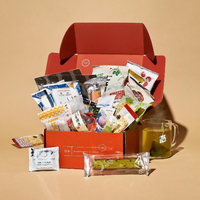
With a Bokksu Snack Box Subscription, you can bring the magic of a yatai experience into your own home, no matter where you are in the world. Each box is thoughtfully curated to include a variety of savory, sweet, and seasonal Japanese treats, many inspired by the flavors and aromas of festival nights. From crunchy street food-style snacks to sweet confections, it's a fun and convenient way to bring the spirit of Japan's street food culture right to your doorstep.


Disclaimer
×Bokksu is not responsible for the accuracy of the products’ nutritional or allergen information. Warning: California’s Proposition 65 may be in effect. For more information,visit www.P65Warnings.ca.gov.
Some Bokksu Market products are produced overseas and may have a Production Date printed on the packaging, rather than a Best Buy Date as is standard in North America. If your product appears expired, do not be alarmed! This is most likely the Production Date. All items have been double checked to ensure they are not expired and safe to eat.

Disclaimer
×Bokksu is not responsible for the accuracy of the products’ nutritional or allergen information. Warning: California’s Proposition 65 may be in effect. For more information,visit www.P65Warnings.ca.gov.
Some Bokksu Market products are produced overseas and may have a Production Date printed on the packaging, rather than a Best Buy Date as is standard in North America. If your product appears expired, do not be alarmed! This is most likely the Production Date. All items have been double checked to ensure they are not expired and safe to eat.
-
Trending Posts

-

Author Bio
More from the blog
View all


