






Lost in a Depachika: Gourmet Snacks in Japanese Department Stores
Underneath the typical Japanese department store lies depachika, Japan's beloved basement food hall. The area is all about food, from luxury sweets and gourmet snacks to bento boxes and edible gift boxes.
We created this depachika guide to prepare you for your first visit. Discover all the different kinds of snacks, desserts, and gift items you can find when you visit these floors.
What Is a Depachika? A Delicious Introduction

The term "depachika" refers to a food market floor located in the basement of a Japanese department store. It literally translates to “department store basement” and features a wide array of foodstuff. Depachika is an amalgamation of two Japanese words: depaato, meaning “department store,” and chika, which means “basement.”
Every major department store in Japan has a depachika in its basement area. They are often attached to popular train stations like Tokyo Station, Kyoto Station, or Shibuya Station. As part of the main establishment, these food areas specialize in high-quality foods. Popular items sold there include these:
-
Gourmet sweets
-
High-grade tea
-
Bento (Japanese-style meal box)
-
Snacks
-
High-end gifts with elaborate wrapping
-
Fine meat cuts
-
Fresh seafood
-
Rare beverages
-
Restaurant-grade sushi
If you’re a fan of delicious food who is planning to explore Japan, you’ll love a visit to local depachika. These food halls allow you to taste products before buying them. They also offer some of the highest quality foodstuffs in the country. A depachika is the ideal place to find the same luxury fruit gifts or souvenirs sold at flagship stores.
The rest of this post will explore all of the brilliant products on display at a typical depachika in Japan. But before then, take a brief moment to understand the history behind these iconic food halls.


Disclaimer
×Bokksu is not responsible for the accuracy of the products’ nutritional or allergen information. Warning: California’s Proposition 65 may be in effect. For more information,visit www.P65Warnings.ca.gov.
Some Bokksu Market products are produced overseas and may have a Production Date printed on the packaging, rather than a Best Buy Date as is standard in North America. If your product appears expired, do not be alarmed! This is most likely the Production Date. All items have been double checked to ensure they are not expired and safe to eat.

Disclaimer
×Bokksu is not responsible for the accuracy of the products’ nutritional or allergen information. Warning: California’s Proposition 65 may be in effect. For more information,visit www.P65Warnings.ca.gov.
Some Bokksu Market products are produced overseas and may have a Production Date printed on the packaging, rather than a Best Buy Date as is standard in North America. If your product appears expired, do not be alarmed! This is most likely the Production Date. All items have been double checked to ensure they are not expired and safe to eat.


Disclaimer
×Bokksu is not responsible for the accuracy of the products’ nutritional or allergen information. Warning: California’s Proposition 65 may be in effect. For more information,visit www.P65Warnings.ca.gov.
Some Bokksu Market products are produced overseas and may have a Production Date printed on the packaging, rather than a Best Buy Date as is standard in North America. If your product appears expired, do not be alarmed! This is most likely the Production Date. All items have been double checked to ensure they are not expired and safe to eat.
History of the Depachika: From Convenience to Culinary Mecca

The first-ever depachika was created in Nagoya City in 1936. Back then, there was no name for it, and its main products were gifts for special events. However, the trend of reserving department store basements for the stocking of high-end gifts soon caught on. In the early 21st century, store owners in Shibuya, Tokyo, began to sell a wide selection of gourmet items in their basements. The resulting trend skyrocketed the popularity of basement food areas, and the term “depachika” was born.
Today, depachika still offer exotic gift items; however, they also feature mainstream goods. Nevertheless, they remain the go-to spots for top-quality products in major cities. Depachika have transformed from practical market spaces into gourmet destinations for the finest snack shopping Japan has to offer.
Sweets for Royalty: Luxury Japanese Desserts You’ll Find

Japan is known for having premium confectioners that produce all kinds of luxury sweets, and there’s no better place to find their products than a local depachika. Besides their delicious tastes, these desserts also offer fascinating aesthetics and packaging that make them ideal Japanese gift sets. The following are examples of Japanese luxury desserts sold at department store basements:
-
Nama chocolate: a kind of Japanese ganache, which is made of melted cacao and cream. It is dusted with a sprinkle of cocoa powder on top.
-
Mille-feuille: a three-layered dessert alternating between layers of puff pastry and creamy filling.
-
Castella: a popular Japanese sponge cake known for its sweet flavor and bouncy texture. People like to eat it with tea.
-
Fruit jellies: sweets made from fresh fruit juice. Confectioners make them using extracts from one fruit or a combination of fruits.
-
Wagashi: any type of traditional Japanese sweet. It’s often made with rice flour and sweet bean paste.
-
Japanese cheesecake: a Japanese-style soufflé known for its wobbly, light, and airy texture.
Bento Box Brilliance: The Art of the Department Store Lunch

One of the most delightful reasons to visit a depachika is the abundance of bento meals in aisles. A bento is a Japanese-style, beautifully arranged, and nutritious lunch often packed in a compartmentalized box. Bento boxes filled with food are sold at supermarkets, department stores, convenience stores, and even vending machines. They are perfect for people who don’t have the time or energy to make lunch. Hence, many Japanese workers and students buy them.
The bento sold at depachika are made with premium ingredients and are superior to those sold at convenience stores. Traditional bento includes at least three ingredients: a staple dish (rice or noodles), protein (meat or fish), and vegetables. These ingredients, carefully arranged as ready-to-eat meals, showcase pride in Japanese presentation. Department store bento meals often feature fresh ingredients that are in season. They are a great way to enjoy regional specialties from different prefectures. For example, you can find squid rice in Hokkaido, crab rice in the Chubu region, and octopus rice in the Kansai region.
Bokksu is not responsible for the accuracy of the products’ nutritional or allergen information. Warning: California’s Proposition 65 may be in effect. For more information,visit www.P65Warnings.ca.gov. Some Bokksu Market products are produced overseas and may have a Production Date printed on the packaging, rather than a Best Buy Date as is standard in North America. If your product appears expired, do not be alarmed! This is most likely the Production Date. All items have been double checked to ensure they are not expired and safe to eat.
Disclaimer
×

Snack Sampling: Where Every Aisle Is an Invitation to Taste

Gourmet snacks in Japan come to life through tasting stations located in the basement of department stores. Hence, shopping at depachika is one of the most immersive ways to enjoy local snacks. They contain stations that offer snack samples to prospective customers, allowing you to try treats before you buy them.
Tasting bars are manned by concession staff, often standing beside a tray of free samples. After finishing the sample, you can either buy the actual product or say “arigato” (thank you) and walk away. Snacks available for tasting range from Kit Kats and senbei to sandwiches and matcha financiers. The huge selection of gourmet treats in depachika is second only to Bokksu’s collection.
Tokyo Depachika Guide: Where to Go First

In this guide, we’ll reveal where to find the most iconic Tokyo depachika locations and what makes each one special. Check out our carefully curated list:
-
Isetan Shinjuku: On the first basement floor of Isetan lies one of the most famous and largest depachika food halls in Tokyo. Only a short walk from Shinjuku Station, it features Western sweets, Japanese confectioneries, restaurants, liquor zones, and cafes where you can find the world’s finest pastries and wines. Fresh produce and prepared foods are also available in Shinjuku Isetan.
-
Mitsukoshi Ginza: Located in Central Tokyo, Ginza Mitsukoshi has four basement floors; however, only the second and third are dedicated to food. There, you’ll find famous shops that sell souvenirs, green tea sweets, fresh fruits, hors d'oeuvres, ready meals, and perishables. The complex also contains refrigerated coin lockers where shoppers can store perishable food.
-
Takashimaya Nihonbashi: This shopping center is home to Pokemon Center TOKYO DX and Pokemon Cafe, but it also has a depachika below its first floor. Visit the hall to buy fresh groceries and explore open kitchens with eat-in counters.
-
Daimaru Tokyo: The basement level of Daimaru is divided into four sides (north, south, east, and west sides) and filled with all kinds of food options. You can purchase the very best of Western and Japanese cuisine, including sweets, bento, side dishes, pastries, cheese, bread, fresh fish, and meat.
Seasonal Gifts Japan Can’t Get Enough Of

Depachika offerings allow you to partake in Japan’s respect for seasonality and gift-giving traditions. There are elegant, limited-time treats scattered across the halls that will make perfect gifts for your loved ones. Seasonal fruit boxes are bestsellers because of traditions like ochūgen, a mid-year gifting custom that typically takes place from July through August. Top seasonal gifts in Japan include luxury autumn fruits like pears and grapes, wagashi such as mizu-yokan, and green tea like mugicha (barley tea). You can get any of those limited items and use them as omiyage (travel souvenirs brought back for others) or temiyage (thank-you gifts).
The Design Language of Premium Packaging
One of the key reasons depachika snacks make such awesome gifts is their packaging. They are packaged like luxury items. The art that is Japanese snack packaging emphasizes attention to detail, premium material quality, and user-friendly design. When people open the wrappers, they are treated to unique experiences that feel as thrilling as enjoying the enclosed gifts. Depachika snacks’ premium packaging is often driven by several factors, such as:
-
Kawaii (cuteness)
-
Seasonal transitions
-
Japanese symbolism
-
Smart engineering
Multisensory packaging is also a big deal in Japan, as designers use advanced elements to give packages a distinct feel and smell. Japanese hospitality culture, omotenashi, dictates that gifts be packaged in ways that showcase care, thoughtfulness, and beauty. High-end snacks at department stores meet these criteria, thereby increasing their giftability.
Why Depachika Culture Reflects Japanese Hospitality

The concept of omotenashi (Japanese hospitality) extends past gift-giving and covers other aspects of Japanese culture, such as human interaction, service, and product creation. In more ways than one, depachika embody these values, thanks to the meticulous nature of their product designs and excellent customer service. Their attention to detail and aesthetic precision mirrors how we curate your snack box experience at Bokksu.
Take the Taste Home: Depachika-Inspired Snacks from Bokksu

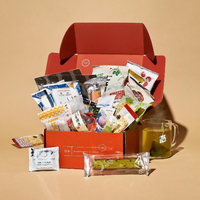
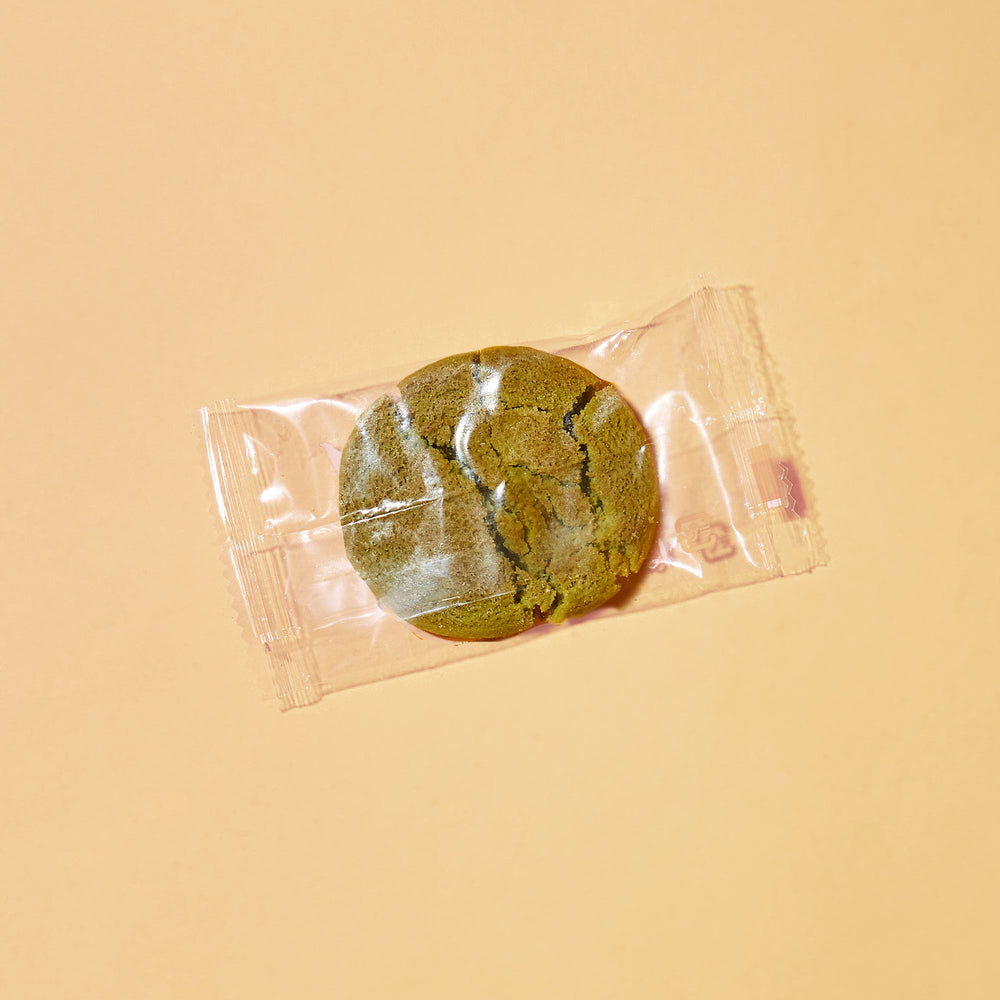
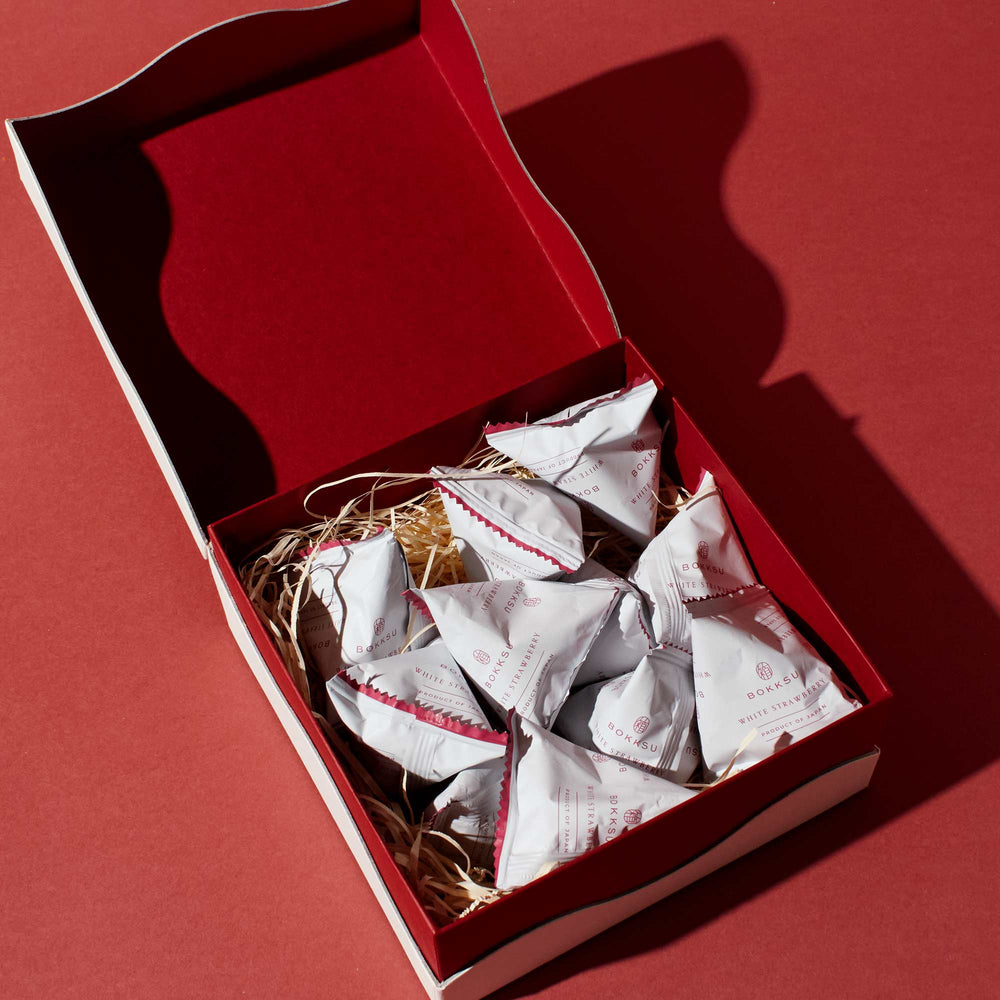
You don’t need to travel thousands of miles to experience the elegance of these iconic stores. Explore Bokksu Snack Box as your own “depachika-at-home.” We send a box to our subscribers every month. You can expect to find rare regional snacks, treats with elegant presentation, and seasonal discoveries. Your first box will include depachika-grade treats like matcha cake, mochi, white strawberries, and many other Japanese desserts. To get your first taste of this unique experience, secure a Bokksu Snack Box Subscription now. We’ll send a box right to your doorstep.

Disclaimer
×Bokksu is not responsible for the accuracy of the products’ nutritional or allergen information. Warning: California’s Proposition 65 may be in effect. For more information,visit www.P65Warnings.ca.gov.
Some Bokksu Market products are produced overseas and may have a Production Date printed on the packaging, rather than a Best Buy Date as is standard in North America. If your product appears expired, do not be alarmed! This is most likely the Production Date. All items have been double checked to ensure they are not expired and safe to eat.
Disclaimer
×Bokksu is not responsible for the accuracy of the products’ nutritional or allergen information. Warning: California’s Proposition 65 may be in effect. For more information,visit www.P65Warnings.ca.gov.
Some Bokksu Market products are produced overseas and may have a Production Date printed on the packaging, rather than a Best Buy Date as is standard in North America. If your product appears expired, do not be alarmed! This is most likely the Production Date. All items have been double checked to ensure they are not expired and safe to eat.
-
Trending Posts

-

Author Bio
More from the blog
View all


