





From Kit Kat to Katsu: How Japan Snacks Through Exam Season
In Japan, there is a strong belief that certain foods can bring good luck and boost confidence during exams. Whether or not you think this is superstition, it remains a major part of the domestic culture. In fact, Kit Kats are extremely common there largely because they are the most popular exam snacks Japan has to offer.
This post takes a dive into the role of edible good luck charms in the Japanese exam season. You’ll learn how snacks impact mood not just with their tastes, but also with their names, cultural history, health benefits, and printed messages. We’ll also include tasty recommendations, ranging from focus snacks to classroom-friendly treats.
Back to School in Japan: Why Exam Snacks Matter

To fully appreciate the role of exam snacks, you need a basic understanding of the Japanese school system. As one of the most literate countries in the world, Japan practices compulsory education (up to three years of junior high school). The entrance exams into high school and college are standardized, so failing either will impact your ability to further your education, even after spending six years in elementary schools. These exams are not easy, often including foreign language tests such as Korean, Chinese, German, or French. As a result, there is a lot of uncertainty associated with entrance exams in Japan.
The immense pressure to succeed may have led many to rely heavily on good luck charms and confidence boosters. Snacks play a symbolic role in bringing encouragement, focus, and good fortune to Japanese children across the country. The entrance exam season falls within January and March. It begins before the start of the first term (April to August with a summer break in July) of the Japanese school year. The second term lasts from September to December. Students find comfort with snacks, especially products decorated with lucky symbols and messages. They eat them before lessons, during curriculum study sessions, and even at home. It’s common practice to offer these treats as a gift to family and friends in junior high school, senior high school, or college.
Bokksu is not responsible for the accuracy of the products’ nutritional or allergen information. Warning: California’s Proposition 65 may be in effect. For more information,visit www.P65Warnings.ca.gov. Some Bokksu Market products are produced overseas and may have a Production Date printed on the packaging, rather than a Best Buy Date as is standard in North America. If your product appears expired, do not be alarmed! This is most likely the Production Date. All items have been double checked to ensure they are not expired and safe to eat.
Disclaimer
×

Lucky Food Traditions: When Snacks Become Talismans

Having experienced multiple tragedies in their history, Japanese people take luck seriously. They associate certain symbols, colors, and even days with good fortune or bad luck. It’s not surprising that when it comes to lucky food, Japan has specific beliefs. These are examples of such traditions:
-
Osechi Ryōri: Japanese New Year cuisine, featuring a lacquerware box with multiple tiers. Popular osechi foods include kuromame, ebi (shrimp), and kazunoko (herring roe).
-
Exam snacks: Treats that aren’t just for energy but carry auspicious meanings tied to wordplay and tradition. They are often gifted during entrance exams to show support. These treats include omamori snacks, Kit Kat chocolate bars, and katsudon (a rice bowl topped with pork cutlets and egg).
Omamori Snacks: Edible Good Luck Charms

Omamori is a type of Japanese amulet often sold in shrines and temples across the country. A typical omamori consists of a brocaded silk pouch containing pieces of paper or wood with prayers written on them. In Shinto and Buddhist customs, the amulet serves as a good luck charm. It has a small rectangular shape and a strap used for attaching the amulet to personal items. Omamori snacks are food products packaged like or inspired by these protective charms. They often come in the form of candy and may feature lucky charms as souvenirs. Like the amulets that inspired them, these snacks make excellent entrance exam gifts.
Kit Kat = “Surely Win”: The Most Famous Exam Treat

The Kit Kat chocolate-covered wafer bar is more than just a sweet snack in the Land of the Rising Sun. It holds a deeper meaning—one that has made it the go-to candy gift during exam season in the Japanese educational system. The true meaning of Kit Kat lies in its name, which interestingly doesn’t have a literal English translation. The most important factor here is its Japanese pronunciation: “Kitto Katto.” It sounds a lot like the common Japanese phrase “Kitto Katsu,” meaning “you’ll surely win” in English. Many linguists have translated the phrase to mean “bound to win.” Either way, it serves as a promise of good luck and a message of encouragement.
The closeness in wording created the pun that is behind Kit Kat’s popularity as a lucky gift and souvenir. Japanese people offer Kit Kats as gifts to students before exams and to people who recently moved to a new house.
Exclusive Exam Kit Kats
These Kit Kat bars will make the perfect gifts for your loved ones, thanks to their exquisite taste and iconic packaging:
-
Japanese Kit Kat: Yokubari Double Matcha & Original—two exciting flavors in one bar, including a taste of the original good luck charm.
-
Japanese Kit Kat: Strawberry Otona No Amasa—a popular chocolate bar that tastes like fresh-picked strawberries.
-
The Matcha Bundle—a complete collection of matcha products, including two different matcha-flavored Kit Kats
Energy & Focus: Snacks That Help You Power Through

Focus snacks are basically brain foods that help with alertness, concentration, and stamina during course study sessions or work. Japanese students buy these snacks themselves or receive them as gifts when they have to prepare for important exams before the new school year. Common examples of focus snacks are matcha products, almonds, black sesame, dark chocolate, or chewy candies. The following are some of the best focus snacks Japan has to offer:
-
Black Thunder Bite Size: Chocolate—bite-sized, crunchy chocolate bar that contains twice as much dark chocolate as the original product.
-
Matcha Chocolate Stick Cake—silky soft cake made with matcha flavor and chocolate chips.
-
Mocchu Gummy: White Peach Flavor—mochi-like chewy candy with the juicy taste of white peach.
Study Season Gifting: Encouragement in Every Bite

Due to the rigors of Japanese education, friends, parents, and classmates often exchange good luck treats as acts of care. If you want to participate in this culture, you need to understand the gift-giving etiquette. The first consideration is timing. You should offer these treats before the exams begin—not after. Wrap the gift or at least put it in a bag and present it with both hands. When choosing packaging for your gift, consider using colors that symbolize luck in Japanese culture. Blue, green, red, white, yellow, and purple are in the category. Also, giving gifts in pairs and sets of eight or three is a sign of good luck. That means it helps to include 2, 3, or 8 snacks in the bag.
Sweet Support: Snacks That Motivate With Meaning

Snack manufacturers in Japan have leveraged the nationwide culture of gifting food as confidence boosters. You’ll find treats with messages like “do your best,” “success at exams,” or “absolute victory” printed on wrappers. The messages are often written in native Japanese rather than English. For example, “ganbatte” stands for “do your best.”
Treats that feature such meaningful decorations are Japanese motivation snacks. Many of them go as far as incorporating colorful designs inspired by lucky charms, daruma dolls, and symbolic animals associated with good fortune. To further reinforce their cultural impact, the products also feature designs and flavors related to school themes.
Classroom-Friendly Study Snacks

When choosing exam snacks, as a gift or for a personal enjoyable experience, it’s best to select classroom-friendly treats. They are quiet, mess-free, and energizing—perfect for library sessions or long days at cram school. These snacks are especially important if you want to gift them to a group of students in the same class or club activities, but you don’t want to cause disruption or break the rules that many schools uphold.
Crackers and crunchy nuts don’t have a place here, as they are way too noisy. If you want to choose the ideal snacks for classroom study, treats that meet the criteria include dark chocolate bars, freeze-dried strawberries, milky candy, black sesame, corn snacks, and matcha cake.
Bokksu’s Picks: Study-Season Snack Box Highlights

At Bokksu, we’ve spent years delivering snack boxes to subscribers in Japan and other countries. Many of those boxes featured study snacks. No doubt, they helped encourage both kids and adults during exam preparations and other important life milestones. The healthy ingredients in our snacks have also energized and improved the focus of students. To help you select the best study season treats, here are our top picks from past boxes:
-
Matcha Chocolate Stick Cake: You’ll find this treat in our Seasons of Japan-themed welcome box, which is available to all first-time subscribers.
-
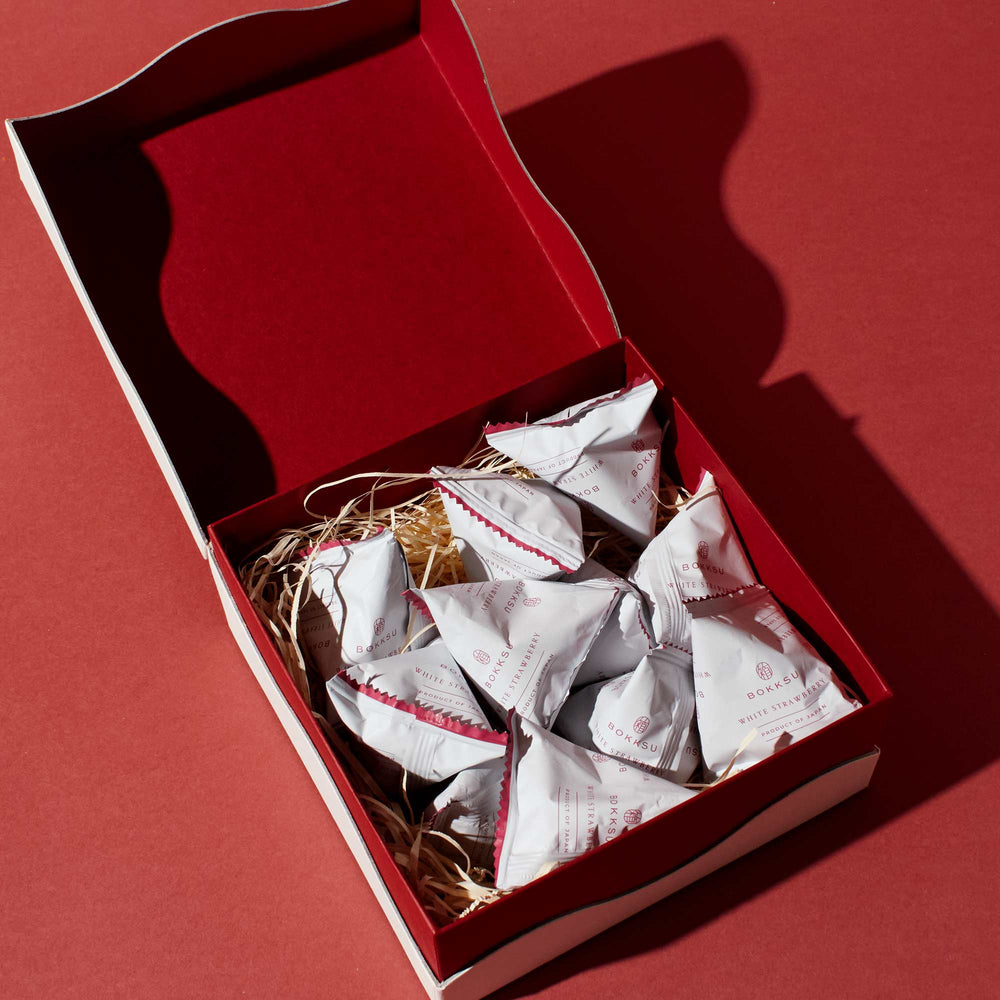
Japanese Kit Kat: Matcha & Original: This was the star of our January 2025 box tagged Fokksu's Lucky Feast. The box featured treats that celebrate Japan’s symbols of luck and fortune.
-
Ginger Black Sugar Bite: A light and refreshing snack that combines spicy ginger with sweet sugar. It appeared in Bokksu’s Summer in Okinawa box.
Studying with Intention: More Than Just Snacks

If you want to show support during the school season in Japan, you can’t go wrong with a snack gift. While Japanese snack rituals provide encouragement in a time of uncertainty, they are part of a broader sense of care, mindfulness, and culture. Use our recommendations to purchase gifts that match your interests and the occasion.
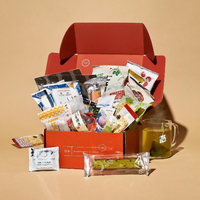
Bokksu allows you to raise your gifting and snacking game to the next level with our luxurious boxes filled with exclusive treats. Get a Bokksu Snack Box Subscription today, and we’ll send a box to your doorstep. As a first-time user, you’ll get our carefully curated welcome box, which includes delicious matcha chocolate cake and other authentic treats from Japan.

Disclaimer
×Bokksu is not responsible for the accuracy of the products’ nutritional or allergen information. Warning: California’s Proposition 65 may be in effect. For more information,visit www.P65Warnings.ca.gov.
Some Bokksu Market products are produced overseas and may have a Production Date printed on the packaging, rather than a Best Buy Date as is standard in North America. If your product appears expired, do not be alarmed! This is most likely the Production Date. All items have been double checked to ensure they are not expired and safe to eat.


Disclaimer
×Bokksu is not responsible for the accuracy of the products’ nutritional or allergen information. Warning: California’s Proposition 65 may be in effect. For more information,visit www.P65Warnings.ca.gov.
Some Bokksu Market products are produced overseas and may have a Production Date printed on the packaging, rather than a Best Buy Date as is standard in North America. If your product appears expired, do not be alarmed! This is most likely the Production Date. All items have been double checked to ensure they are not expired and safe to eat.
-
Trending Posts

-

Author Bio
More from the blog
View all


