







Crunch and Culture: A Deep Dive into Japanese Rice Crackers
What Are Rice Crackers? A Staple of Japanese Snacking

When it comes to Japanese food culture, few snacks are as cherished as senbei—crispy, flavorful rice crackers that have been enjoyed for centuries. Traditionally made from rice flour, senbei comes in a variety of shapes, sizes, and flavors, ranging from salty and savory to subtly sweet. Some are glazed with soy sauce and wrapped in nori (seaweed), while others are dusted with sugar or spiced with wasabi. They may be baked or deep-fried, and while rice remains the classic base, modern variations sometimes use wheat flour or starch to create different textures. In Japan, senbei are often enjoyed with a soothing cup of green tea and shared with guests as a heartfelt gesture of hospitality and welcome. Even today, they remain a staple of Japanese culture, continually evolving while staying deeply connected to their traditional roots.

Disclaimer
×Bokksu is not responsible for the accuracy of the products’ nutritional or allergen information. Warning: California’s Proposition 65 may be in effect. For more information,visit www.P65Warnings.ca.gov.
Some Bokksu Market products are produced overseas and may have a Production Date printed on the packaging, rather than a Best Buy Date as is standard in North America. If your product appears expired, do not be alarmed! This is most likely the Production Date. All items have been double checked to ensure they are not expired and safe to eat.


Disclaimer
×Bokksu is not responsible for the accuracy of the products’ nutritional or allergen information. Warning: California’s Proposition 65 may be in effect. For more information,visit www.P65Warnings.ca.gov.
Some Bokksu Market products are produced overseas and may have a Production Date printed on the packaging, rather than a Best Buy Date as is standard in North America. If your product appears expired, do not be alarmed! This is most likely the Production Date. All items have been double checked to ensure they are not expired and safe to eat.
A Brief History: From Ancient China to Modern Japan

The history of senbei in Japan is a rich and flavorful tale that reflects the nation's shifting tastes and cultural heritage. Senbei were first introduced to Japan during the Tang dynasty, arriving from China as thin, baked crackers made with wheat flour and vegetable oil. While these early versions differed significantly from the senbei we know today, they set the stage for Japan's own innovations, experimenting with new ingredients and flavors. It wasn't until the Edo period that the crispy, savory senbei familiar to us gained widespread popularity and established their unique identity. In Soka City, Saitama Prefecture, a small teahouse began serving these salty, soy sauce-flavored senbei to travelers and locals, and from there, the snack quickly spread throughout Japan, becoming a national favorite.
Types of Japanese Rice Crackers: Senbei, Okaki, and Arare

Japan's world of rice crackers is as colorful and diverse as its culture, offering an array of textures, flavors, and shapes to satisfy every craving. Among the various rice crackers available, there are three main types: senbei, okaki, and arare. While they share the same comforting crunch, each variety has its own story, texture, and taste profile. Plus, they're naturally gluten-free, making them a great choice for many snack lovers.
-
Senbei: Made from non-glutinous rice flour, senbei are generally larger and flatter than other types. They have a satisfying crispy bite and are often lightly seasoned with soy sauce, seaweed, or salt.
-
Okaki: These savory crackers are made from glutinous rice flour that's steamed, mashed, and shaped into small rectangular blocks before being toasted or grilled.
-
Arare: Small, colorful, and full of flavor, arare are bite-sized rice crackers made from glutinous rice flour. Their name comes from the Japanese word for "snow pellet," reflecting their petite, rounded shape. Arare often appear in shades of white, yellow, pink, and green, and are typically lightly seasoned with soy sauce. They’re frequently mixed with peanuts or other nuts to add an extra layer of crunch.
Flavor Profiles: From Savory Soy to Sweet Sugar

One of the most classic varieties of senbei is shoyu (soy sauce) senbei, known for its rich, savory flavor. These crackers are coated in salty soy sauce and then baked or grilled into flat, round shapes, allowing the sauce to caramelize and develop a deep umami taste that's truly irresistible. Another favorite is seaweed senbei, which features a crisp rice cracker wrapped in dried seaweed, delivery a salty, ocean-like flavor. These are often rectangular or square and can be made with either rice or wheat flour.
For spice lovers, togarashi senbei adds a spicy kick, seasoned with red chili pepper and typically formed into small, round crackers that deliver a bold, spicy bite. Another standout is ebi (shrimp) senbei, where powdered dried shrimp is mixed directly into the dough, creating a flavor that's both bold and addictive. On the sweeter side, there's zarame senbei, disc-shaped crackers coated in coarse sugar crystals. These combine the toasty crunch of rice with a layer of caramelized sweetness, striking a delicious balance between savory and sweet.
Nori Maki: The Seaweed-Wrapped Delight

Nori maki arare are delicious, little rice crackers wrapped in strips of crisp dried seaweed, delivering a perfect harmony of flavors and textures. Lightly seasoned to enhance their natural taste, these crunchy treats blend the smoky, toasted notes of the rice cracker with the savory, oceanic umami of the crisp nori. The seaweed’s subtle saltiness perfectly complements the cracker’s toasted, slightly nutty flavor, creating a complex and satisfying snack. Each bite delivers a crisp exterior with layers of flavor that make nori maki arare irresistibly addictive and a beloved choice among Japanese rice cracker varieties.
Regional Varieties: Local Twists on a National Favorite
Japan's love for senbei runs deep, and across the country, you'll discover tasty regional variations that showcase local flavors and traditions. Take Nanbu senbei from Aomori, for instance. Made with just three simple ingredients—wheat flour, water, and salt—these crackers are grilled in small, round cast iron molds until they achieve a perfect balance of crispness and lightness. This delicate crunch has been cherished for generations in the Hachinohe and Northern Iwate regions. What sets Nanbu senbei apart is the wide array of toppings they feature, from peanuts and sesame seeds to squid and even cookie bits, adding unique textures and flavors. They also take center stage in one of the region’s most iconic dishes, Hachinohe Senbei Soup, where the crackers are crumbled and gently simmered in a savory, comforting broth.
Over in Chiba Prefecture, you’ll encounter a unique twist on the traditional rice cracker: Nure senbei, which translates to "wet rice cracker." Unlike the crunchy senbei most people are familiar with, Nure senbei has a soft, chewy texture thanks to being soaked in soy sauce during the cooking process. This allows the cracker to absorb the savory flavor deeply, resulting in a richly seasoned, tender bite. Its unexpected texture and bold taste offer a delicious contrast to standard senbei, making Nure senbei a must-try for anyone looking to experience the full spectrum of Japan’s rice cracker traditions.
Rice Crackers in Modern Japan: From Tradition to Innovation

In modern Japan, rice crackers have expanded well beyond their traditional roots, embracing contemporary flavors while still honoring their crispy legacy. Alongside classics like soy sauce and seaweed, you’ll now find bold, creative varieties such as cheese, curry, black pepper, and wasabi, bringing a fresh twist to this beloved snack. These inventive flavors add a playful and flavorful edge, making rice crackers popular with snack lovers of all ages. Widely available in everything from convenience stores to specialty shops, rice crackers remain a go-to snack that's both easy to enjoy and full of variety.
Bokksu is not responsible for the accuracy of the products’ nutritional or allergen information. Warning: California’s Proposition 65 may be in effect. For more information,visit www.P65Warnings.ca.gov. Some Bokksu Market products are produced overseas and may have a Production Date printed on the packaging, rather than a Best Buy Date as is standard in North America. If your product appears expired, do not be alarmed! This is most likely the Production Date. All items have been double checked to ensure they are not expired and safe to eat.
Disclaimer
×

The Art of Making Rice Crackers: Craftsmanship and Technique

The craft of making rice crackers in Japan is a time-honored process that blends tradition, precision, and patience, refined over centuries. It begins with the careful selection of rice, either glutinous or non-glutinous, which is then steamed to just the right softness. Once cooked, the rice is pounded or kneaded into a smooth dough and shaped by hand or with molds into a variety of forms, from thin, flat discs to small, bite-sized pieces. These shapes are then seasoned with a wide range of ingredients, such as soy sauce, seaweed flakes, sugar, or spices, depending on the intended flavor. Finally, the crackers are grilled or baked to golden-brown perfection, achieving that irresistible crispy crunch that defines a well-made rice cracker.
After all the care and craftsmanship that go into making these delicious snacks, rice crackers are often packaged in modern, convenient formats like resealable bags to preserve their freshness and crunch. This thoughtful packaging makes it easy to enjoy the crisp bite of rice crackers anytime—whether as a quick snack at home, a pick-me-up at work, or a thoughtful gift to share with others.
Pairing Rice Crackers: Tea, Sake, and Beyond

ice crackers are a light and versatile snack that can be enjoyed in a variety of ways. Savory options like soy sauce or seaweed senbei pair beautifully with a warm cup of green tea, as the tea’s earthy bitterness perfectly balances the salty, umami-rich flavors of the crackers. For a more festive experience, they also complement sake wonderfully—the crisp, clean notes of the drink enhancing the crackers’ satisfying crunch. Sweet varieties, such as sugar-coated zarame senbei, are equally delightful when enjoyed alongside a light dessert wine or a cup of coffee, making them a distinctive and enjoyable way to finish a meal.
Conclusion: Embracing the Crunchy Heritage of Japan

Rice crackers continue to hold a special place in Japanese culture, valued not only for their delicious flavors but also for their rich traditions and the simple pleasure they bring. From crispy, savory varieties to lightly sweet and colorful bites, these snacks have endured through the ages, evolving to suit modern palates while respecting centuries of craftsmanship. Whether you’re savoring savory seaweed senbei with a cup of green tea, munching on sweet zarame by the handful, or exploring unique regional specialties like Nanbu or Nure senbei, there’s always something new and delightful to discover. Additionally, many rice crackers are naturally gluten-free and low in fat, making them a satisfying yet wholesome snack option. So go ahead—indulge in a crunchy taste of tradition and let rice crackers bring a little extra joy and flavor to your day.
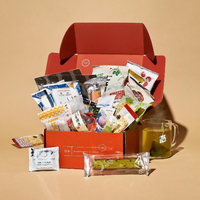
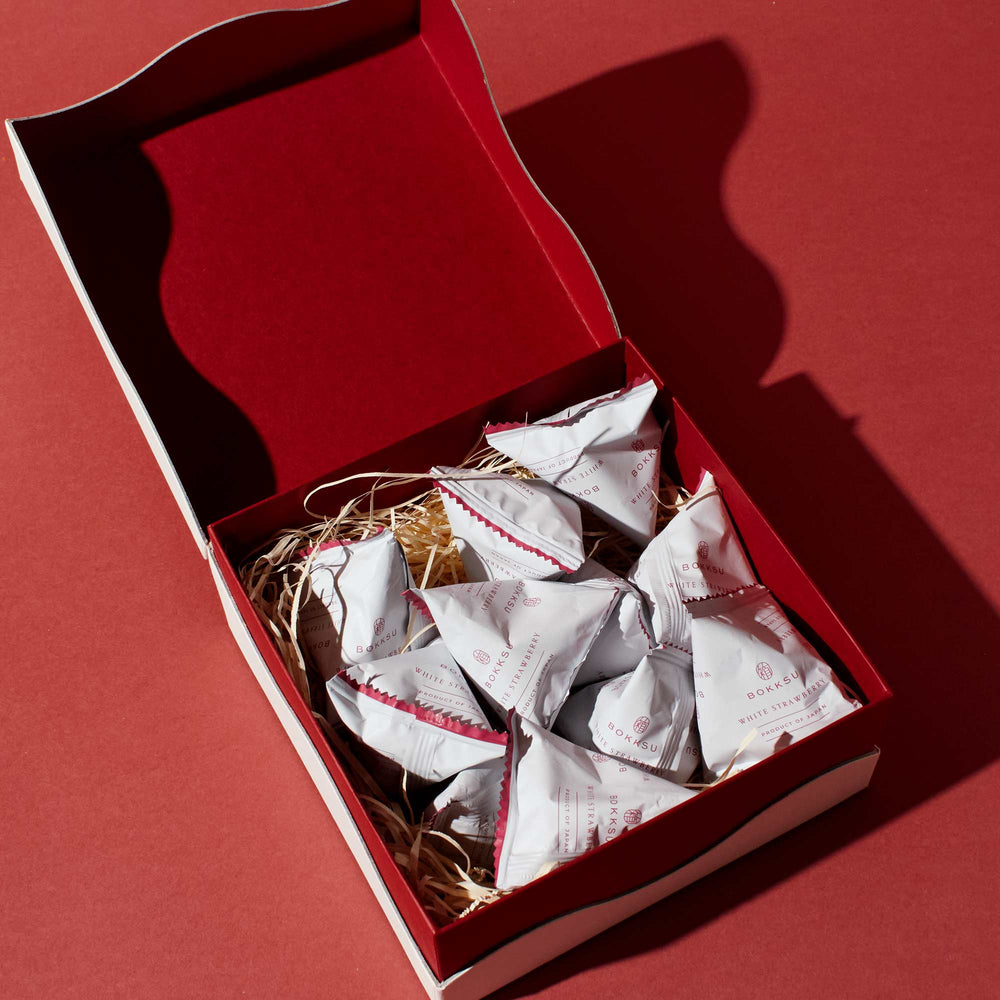
If you’re a fan of the satisfying crunch and bold flavors of senbei, the Bokksu Snack Box Subscription is the perfect way to explore even more wonderful Japanese treats. Each month, you’re likely to discover a thoughtfully chosen senbei included among the curated selection, all delivered straight to your door.

Disclaimer
×Bokksu is not responsible for the accuracy of the products’ nutritional or allergen information. Warning: California’s Proposition 65 may be in effect. For more information,visit www.P65Warnings.ca.gov.
Some Bokksu Market products are produced overseas and may have a Production Date printed on the packaging, rather than a Best Buy Date as is standard in North America. If your product appears expired, do not be alarmed! This is most likely the Production Date. All items have been double checked to ensure they are not expired and safe to eat.


Disclaimer
×Bokksu is not responsible for the accuracy of the products’ nutritional or allergen information. Warning: California’s Proposition 65 may be in effect. For more information,visit www.P65Warnings.ca.gov.
Some Bokksu Market products are produced overseas and may have a Production Date printed on the packaging, rather than a Best Buy Date as is standard in North America. If your product appears expired, do not be alarmed! This is most likely the Production Date. All items have been double checked to ensure they are not expired and safe to eat.
-
Trending Posts

-


Author Bio
More from the blog
View all


