






The Meaning of Omiyage: Japan’s Gift-Giving Snack Culture
Looking to thrill friends, family, or co-workers with the perfect omiyage gift? Read our guide on all things omiyage to understand the deep significance of this simple tradition and how to do it properly. We’ll also provide some excellent suggestions at the end of this post.
What Is Omiyage? The Deeper Meaning Behind a Simple Gift

Omiyage is a Japanese tradition of bringing gifts back for friends, family, and co-workers after returning from a trip. These gifts are often edible souvenirs, such as local snacks and sweets from a different region. In English, the term “omiyage” translates to “souvenir” or “local product.” However, it’s a gift that you buy for others rather than for yourself.
Omiyage is a major part of Japanese travel etiquette and standards, and it embodies respect and appreciation. Also, the gifts serve as thoughtful gestures of care and connection.


Disclaimer
×Bokksu is not responsible for the accuracy of the products’ nutritional or allergen information. Warning: California’s Proposition 65 may be in effect. For more information,visit www.P65Warnings.ca.gov.
Some Bokksu Market products are produced overseas and may have a Production Date printed on the packaging, rather than a Best Buy Date as is standard in North America. If your product appears expired, do not be alarmed! This is most likely the Production Date. All items have been double checked to ensure they are not expired and safe to eat.

Disclaimer
×Bokksu is not responsible for the accuracy of the products’ nutritional or allergen information. Warning: California’s Proposition 65 may be in effect. For more information,visit www.P65Warnings.ca.gov.
Some Bokksu Market products are produced overseas and may have a Production Date printed on the packaging, rather than a Best Buy Date as is standard in North America. If your product appears expired, do not be alarmed! This is most likely the Production Date. All items have been double checked to ensure they are not expired and safe to eat.
The Origins of Omiyage: A Tradition Rooted in Travel and Community

The practice of omiyage in Japan began centuries ago, when people embarked on sacred pilgrimages to Shinto temples and shrines. They would bring back charms, tokens, talismans, and other items to show family and friends as evidence of their journey. According to religious beliefs, the sacred souvenirs would bring protection to the people that received them back home.
As the tradition spread across the country, omiyage became a part of Japanese culture. It soon expanded from tokens brought back from sacred pilgrimages to include trips to a different region, evolving into the gifting ritual we know today.
Merchants in Japan took the opportunity to create and sell unique souvenirs designed to reflect the local culture and craftsmanship. As a result, one could tell where an omiyage gift came from simply by looking at it since it has some form of regional identity. Today, omiyage extends past local markets and domestic travel, as people who travel to and from Japan bring back gifts from their destinations.
Not All Souvenirs Are Omiyage: Understanding the Difference

The first step to picking out a great gift for omiyage is to understand the distinction between popular souvenirs and omiyage. The main factors that separate the two are their intent and presentation. With regular Japanese souvenirs, like samurai swords and daruma dolls, the intention is often to get something for yourself that holds memories of where you visited. You don’t have to package such mementos, so presentation doesn’t matter.
With omiyage, your aim is to get a thoughtful gift for others that allows them to share in the experience of your travels. It may also serve as a form of appreciation for taking care of your home, office, or loved ones while you were away. Hence, you need to pay extra attention to the presentation of such gifts. Also, items that can be called omiyage souvenirs tend to feature excellent local craftsmanship and are often more expensive than regular tokens. The best omiyage are traditional snacks sold at local specialty stores.
Snackable Tokens: Why Food Is the Heart of Omiyage Culture

Edible gifts, especially unique snacks and sweets, are the preferred choice because they possess traits that are perfect for the tradition. Japanese people appreciate delicious food gifts because they symbolize care, hospitality, and respect. They also consider indigenous Japanese food to be a major part of regional culture. Hence, eating omiyage is an ideal way to share in the experience of travelers returning from other major cities.
Since you won’t be giving omiyage to one person but to several, you want to save money by buying something valuable yet sharable. Edible gifts meet those criteria nicely. Local foods like cakes, cookies, crackers, chocolate, and mochi are also easy to carry in your briefcase, bag, or pocket, which is a vital feature for when you’re on the road.
Regional Snacks That Speak Volumes

Many regions in Japan are known for offering exceptional omiyage. This is part of the concept of meibutsu, a term used in reference to local specialties. The following are iconic regional food specialties to get as edible gifts and the areas that make them:
-
Momiji Manju (Hiroshima): Made from rice and buckwheat, this cake is the pride of Itsukushima Island in Hiroshima. Like most wagashi (traditional Japanese sweets), it’s filled with red bean paste. Momiji manju has been a famous omiyage since the Meiji era (1868-1912).
-
Yatsuhashi (Kyoto): Enjoyed fresh or baked, yatsuhashi is a snack that features a crust made from glutinous rice flour and dusted with cinnamon powder. It’s filled with Ogura Daigon red beans, which are common in Kyoto.
-
Shiroi Koibito (Hokkaido): This sandwich cookie is one of Hokkaido’s many specialty dairy products. The filling between the two biscuits is creamy white chocolate.
-
Hakata Torimon (Fukuoka): Shaped like a dumpling, Fukuoka’s specialty manju, Hakata Torimon, stands out for its soft and stretchy texture. This popular omiyage gift is often made with sweet white beans and features Western ingredients like butter and cream.
-
Tokyo Banana (Tokyo): Tokyo’s official souvenir sweet is a sponge cake shaped to resemble a banana. It has a spongy outer layer and a banana-flavored cream filling. Grapestone Co. manufactures and sells these delicious treats in different flavors, including classic, caramel, honey, and milk. You can buy them at tourist shops around Tokyo Station and Haneda Airport.
-
Nikuman (Osaka): 551 Horai, a famous shop in Osaka, sells one of the city’s best souvenirs, nikuman. These meat buns are filled with pork, onion, and various seasonings.
-
Cha no Ka Cookie (Kyoto): Home of matcha green tea, Kyoto is a haven for bittersweet treats like cha no ka cookies. It’s a baked sandwich snack with a filling made from sweet white or milk chocolate and balanced with bitter Uji matcha.
-
Rikuro Ojisan (Osaka): This is a brand of cheesecake and the perfect souvenir for tourists in Osaka. The cheese and milk butter in the cheesecake give it a soft and silky texture. You can buy this popular gift around most of the major tourist landmarks in the city, like Osaka Castle and the Umeda Sky Building.
-
Chinsuko Cookies (Okinawa): These cookies were once a part of the local cuisine in the Ryukyu Kingdom, which existed from 1429 to 1879. Today, modern bakers make it in various flavors, such as sea salt, chocolate, brown sugar, and pineapple.
Packaging with Purpose: The Art of Presentation in Omiyage

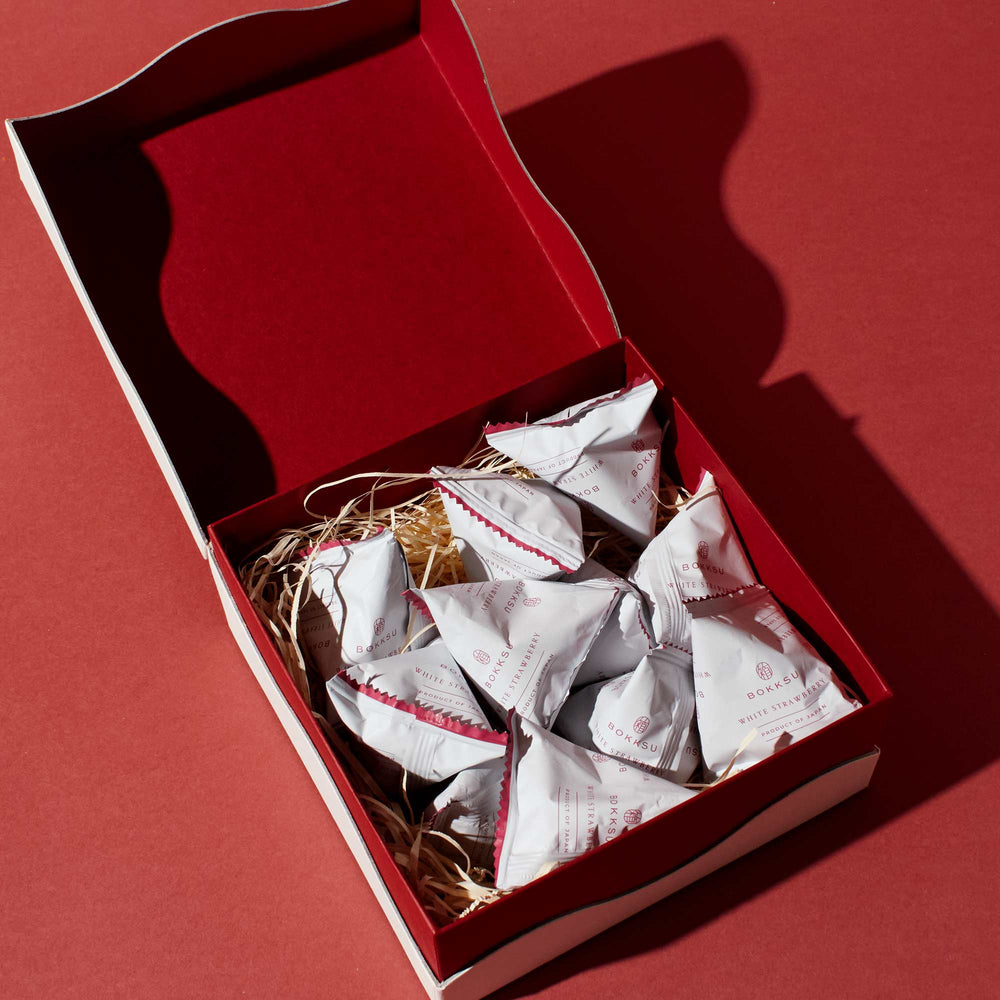
Proper packaging of such simple snacks will greatly elevate your gift, which is exactly what you need to make your omiyage stand out. Wrap the snacks neatly with packaging decorated with motifs, calligraphy, or ribbons. Part of the thrill the recipient will feel comes from unwrapping this delightful present to unlock the secrets inside. Decorations may also reflect the current season. But be careful not to go over-the-top with the gift wrap. Omiyage should be enclosed in elegant but minimalist packaging.


Disclaimer
×Bokksu is not responsible for the accuracy of the products’ nutritional or allergen information. Warning: California’s Proposition 65 may be in effect. For more information,visit www.P65Warnings.ca.gov.
Some Bokksu Market products are produced overseas and may have a Production Date printed on the packaging, rather than a Best Buy Date as is standard in North America. If your product appears expired, do not be alarmed! This is most likely the Production Date. All items have been double checked to ensure they are not expired and safe to eat.


Disclaimer
×Bokksu is not responsible for the accuracy of the products’ nutritional or allergen information. Warning: California’s Proposition 65 may be in effect. For more information,visit www.P65Warnings.ca.gov.
Some Bokksu Market products are produced overseas and may have a Production Date printed on the packaging, rather than a Best Buy Date as is standard in North America. If your product appears expired, do not be alarmed! This is most likely the Production Date. All items have been double checked to ensure they are not expired and safe to eat.

Disclaimer
×Bokksu is not responsible for the accuracy of the products’ nutritional or allergen information. Warning: California’s Proposition 65 may be in effect. For more information,visit www.P65Warnings.ca.gov.
Some Bokksu Market products are produced overseas and may have a Production Date printed on the packaging, rather than a Best Buy Date as is standard in North America. If your product appears expired, do not be alarmed! This is most likely the Production Date. All items have been double checked to ensure they are not expired and safe to eat.
Omiyage Etiquette: When, What, and How to Give

Let’s look at some practical tips for travelers and newcomers.
-
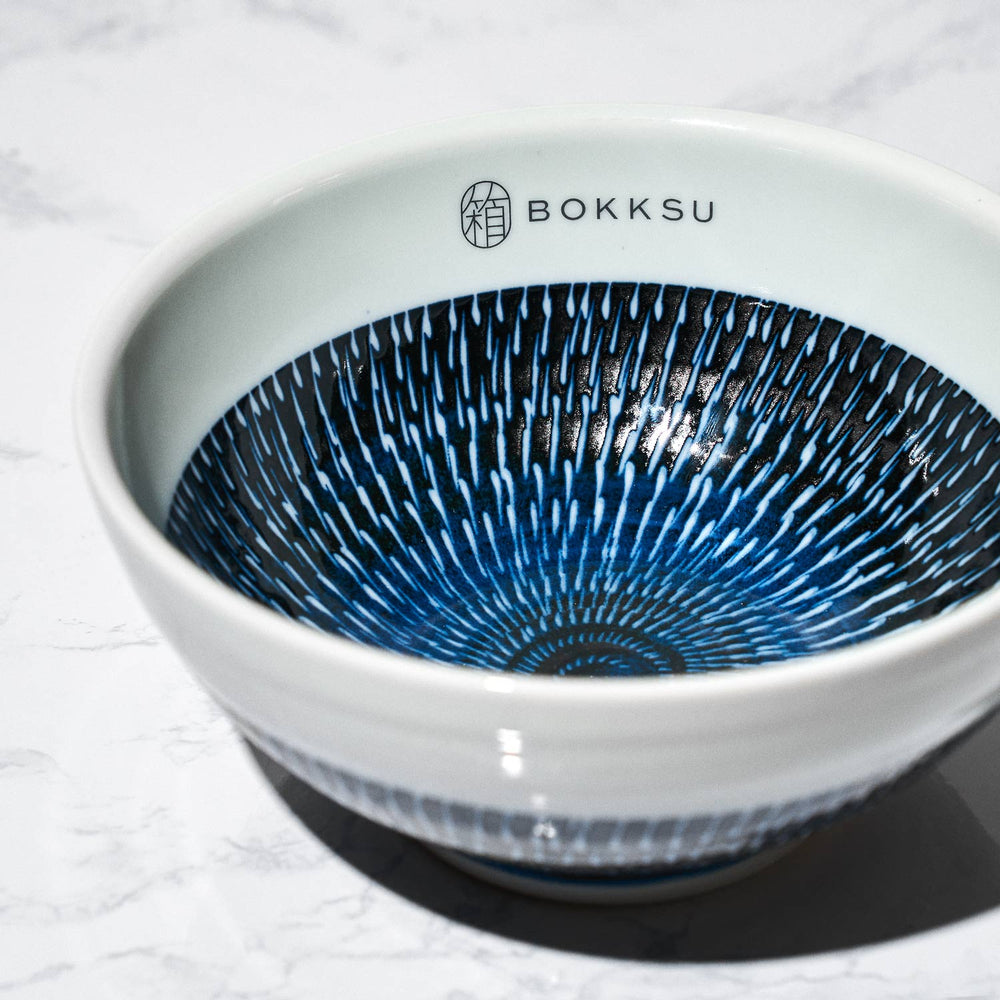
What to buy: Get something shareable, portable, and of local specialty. We recommend non-perishable Japanese snacks and sweets of very good quality. However, when souvenir shopping, you can also buy local Japanese pottery, hand-painted art, household items, sports merch (like t-shirts), handmade items, and books. Whatever you buy shouldn’t be too cheap or accessible at any convenience store. We recommend a price range of 1000-5000 yen ($7-35).
-
How many to buy: There is no strict rule regarding the number of unique gift items to buy. Work within the confines of your budget.
-
Proper presentation: Your gift’s appearance is just as important as its content. Place it in a decorative box and beautiful wrapping paper.
-
Who to give them to: Offer omiyage to close friends, family, romantic partners, work colleagues, and people you share a special relationship with. For example, imagine that you plan to stay in the home of a Japanese person during a trip. The host family deserves to receive omiyage when you arrive.
-
When to give them: You don’t have to hand over your gift as soon as you see the recipient. But you should do so before the meeting ends.
-
How to give them: When presenting omiyage, use both hands. It’s good etiquette to downplay the value of your offering by using phrases like “it's not much…” or “it’s a small thing….” Learning Japanese beforehand can help.
-
What to expect: Politely fake-rejecting gifts once or twice is a Japanese custom, so don’t be put off when they don’t accept yours at first. Keep insisting until they do, but remain polite.
Modern Twists: Department Store Sweets and Designer Omiyage

Depachika, or Japanese department stores, have destinations for premium omiyage. They are slowly competing with local artisans in the luxury sweet snacks market. Thanks to stores in train stations and airports, premium treats like Kit Kat Tokyo Banana, nama chocolate, and sake-infused confections have become more accessible.
The Global Appeal: Omiyage Beyond Borders

Several forms of Japanese gift-giving culture, including omiyage, have resonated with international fans. As a result, the practice is now part of global gift trends in other countries. Foreigners who visit Japan often buy omiyage for their Japanese friends as a show of respect for the local culture. Some people bring food items from their home country, such as Canada’s maple syrup, American Reese's cups, or Australian chocolate-covered macadamia nuts.
Omiyage, Curated: How Bokksu Boutique Makes Gifting Effortless

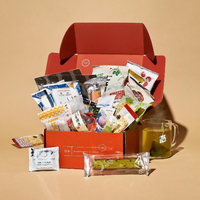
Finding gifts worthy of omiyage is much easier when you rely on Bokksu Boutique’s premium gifting collection. Our curated boxes reflect the spirit of Japanese omiyage—carefully selected, beautifully wrapped, and always delightful. You can even choose the perfect gift based on the personality and needs of your recipients, which makes your gesture more valuable to them.
If you know someone at home or work who could do with some relaxation, nothing shows that you care more than The Treat Yourself Box. Pet lovers in your circle will never forget the goodies in The Cat Lover's Box. Bokkus Boutique is both a one-stop shop for premium gifting and an easy way to find all the snacks that were available in previous subscription boxes curated by Bokksu Snack Box. Enjoy a taste of Japan's four seasons with the Bokksu Snack Box: Seasons of Japan.
For more omiyage options, explore our platform and discover all kinds of unique, giftable boxes.

Disclaimer
×Bokksu is not responsible for the accuracy of the products’ nutritional or allergen information. Warning: California’s Proposition 65 may be in effect. For more information,visit www.P65Warnings.ca.gov.
Some Bokksu Market products are produced overseas and may have a Production Date printed on the packaging, rather than a Best Buy Date as is standard in North America. If your product appears expired, do not be alarmed! This is most likely the Production Date. All items have been double checked to ensure they are not expired and safe to eat.


Disclaimer
×Bokksu is not responsible for the accuracy of the products’ nutritional or allergen information. Warning: California’s Proposition 65 may be in effect. For more information,visit www.P65Warnings.ca.gov.
Some Bokksu Market products are produced overseas and may have a Production Date printed on the packaging, rather than a Best Buy Date as is standard in North America. If your product appears expired, do not be alarmed! This is most likely the Production Date. All items have been double checked to ensure they are not expired and safe to eat.
-
Trending Posts

-

Author Bio
More from the blog
View all


