





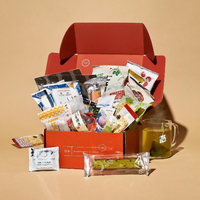


Ten Of the Best Japanese Healthy Drinks To Try
Discover the World of Japanese Healthy Drinks

The world of Japanese healthy drinks is a wide one, with plenty of different kinds of drinks to suit everybody. The majority of Japanese people will drink a cup of green tea at least once a day, usually in the morning, while fermented drinks are another popular beverage in Japan: Kombucha and amazake have been part of Japanese traditional culture for centuries.
But why are there so many healthy drinks in Japan? It seems to stem from the love of having a healthy lifestyle. In turn, this leads to a focus on drinks that can actively support health, whether that’s through a boosted immune system, gut regulation, or maintaining an intake of antioxidants.
We’ve put together a guide to the best healthy japanese drinks below!
Bokksu is not responsible for the accuracy of the products’ nutritional or allergen information. Warning: California’s Proposition 65 may be in effect. For more information,visit www.P65Warnings.ca.gov. Some Bokksu Market products are produced overseas and may have a Production Date printed on the packaging, rather than a Best Buy Date as is standard in North America. If your product appears expired, do not be alarmed! This is most likely the Production Date. All items have been double checked to ensure they are not expired and safe to eat.
Disclaimer
×

Green Tea – Japan’s Timeless Wellness Drink

Also known as sencha, green tea has been part of Japanese culture for centuries. This caffeinated beverage is made from Camellia sinensis leaves that are carefully picked and processed to provide the most delicious - and healthy! - tea. It’s thanks to these unoxidized leaves that allows for such healthy Japanese tea: each sip delivers a dose of nutrients and antioxidants to the consumer.
While typically served hot, making cold brewed green tea can also be a delicious way to experience it.
Matcha Tea – The Superfood of Japanese Drinks

Matcha tea, made from shade-grown tea leaves ground into a fine powder, is one of Japan’s most iconic beverages. Its vibrant green hue comes from its high chlorophyll content, which also makes it a powerhouse of nutrition.
Matcha is stuffed with vitamins and minerals, and is often considered to be even healthier than green tea. It’s such a popular Japanese flavor that there are snack foods of all kinds that include matcha too, like these rich Matcha Chocolate Crunches.
Mugicha Barley Tea – Japan’s Daily Refreshing Drink

Mugicha (barley tea) is a beloved staple across East Asia, especially in Japan. Brewed by simmering slow-roasted barley grains, this tea is naturally caffeine-free and offers a toasty, slightly bitter taste—like coffee, but without the jitters.
Rich in natural fiber, barley tea supports healthy digestion and gut balance, while its natural antacids may ease heartburn. Though it can be enjoyed hot, iced mugicha is a refreshing summer essential in Japan thanks to its cooling and hydrating effects.
Amazake – The Sweet Fermented Rice Drink

Amazake (not to be confused with sake), is a fermented rice drink with a subtly sweet flavor. Amazake can be made in two different forms: alcoholic and non-alcoholic. While both are made with fermented rice and water, the former uses a byproduct of sake which makes it alcoholic.
Amazake is a popular New Year’s beverage, served warm to combat the colder weather. It’s really healthy thanks to its high amount of protein and its naturally occurring glucose.
Bokksu is not responsible for the accuracy of the products’ nutritional or allergen information. Warning: California’s Proposition 65 may be in effect. For more information,visit www.P65Warnings.ca.gov. Some Bokksu Market products are produced overseas and may have a Production Date printed on the packaging, rather than a Best Buy Date as is standard in North America. If your product appears expired, do not be alarmed! This is most likely the Production Date. All items have been double checked to ensure they are not expired and safe to eat.
Disclaimer
×

Yakult – Japan’s Iconic Probiotic Drink

Yakult is famous worldwide as a tiny, tasty drinkable yogurt—but it actually originated in Japan! This probiotic drink contains a unique, exclusive strain of Lacticaseibacillus paracasei Shirota, designed to reach the gut directly.
Each small bottle of Yakult delivers over six billion beneficial bacteria, helping with digestion and long-term immune health. A daily serving supports overall wellness in a simple, delicious way.
Kurozu Black Vinegar – Japan’s Wellness Tonic

Drinking vinegar may sound unusual, but kurozu black vinegar has been a trusted Japanese health tonic for centuries. Typically diluted with water, it’s also used in salad dressings and cooking.
Made with steamed brown rice, koji rice, and water, then fermented in clay jars through the Kotai Hakkou method, kurozu is packed with amino acids and acetic acids. It’s especially popular as a natural aid for weight management and metabolism support.
Yuzu Tea – Citrus Comfort for Health & Relaxation

The yuzu fruit is one of Japan’s most popular citrus fruits, so it’s no wonder that yuzu has also been made into a deliciously refreshing tea. It can be drunk hot or cold, and offers a relaxing effect that helps with anxieties or stressors.
Yuzu has a ton of antioxidants and Vitamin C to improve immunity, making it a wonderful option for those suffering from a cold. Yuzu and ginger is a perfect combination in tea form, and you can get pre-packaged herbal tea sachets at our Bokksu Japanese snack boutique.
Shiso Juice – Herbal Immunity Booster

Shiso is an essential part of traditional medicine practices in Japan and China, used for its anti-inflammatory properties and particularly with regard to skin issues. Made from green shiso leaves (or red, though this version is less well known), the resulting shiso juice is high in rosmarinic acid and is often drunk as an immune-boosting tonic.
The leaves are often utilized in herbal remedies but can just as easily be included in salads, sushi and other dishes, adding a good dose of calcium and iron to your meal.
Gobocha Tea – Burdock Root Wellness Brew

Gobo (burdock root) is a superfood in Japan, rich in vitamin C, potassium, and magnesium. Known for its anti-aging and anti-inflammatory properties, gobo has been part of Japanese wellness traditions for centuries.
Gobocha tea is a naturally caffeine-free brew made from roasted burdock leaves, often enjoyed to ease colds and support overall vitality.
Aojiru Green Juice – Japan’s Superfood Shot

If you’ve never heard of this Japanese vegetable juice drink, prepare to be amazed. Aojiru is made from a mixture of assorted green and yellow vegetables, typically kale and young barley leaves. It packs a punch of nutrients, fiber, vitamins and minerals, with many Japanese drinking it for improving their general health.
Despite the slightly bitter taste it’s hugely popular in Japan, so much so that there are dozens of different powdered sachet versions available, all with slightly different flavors.
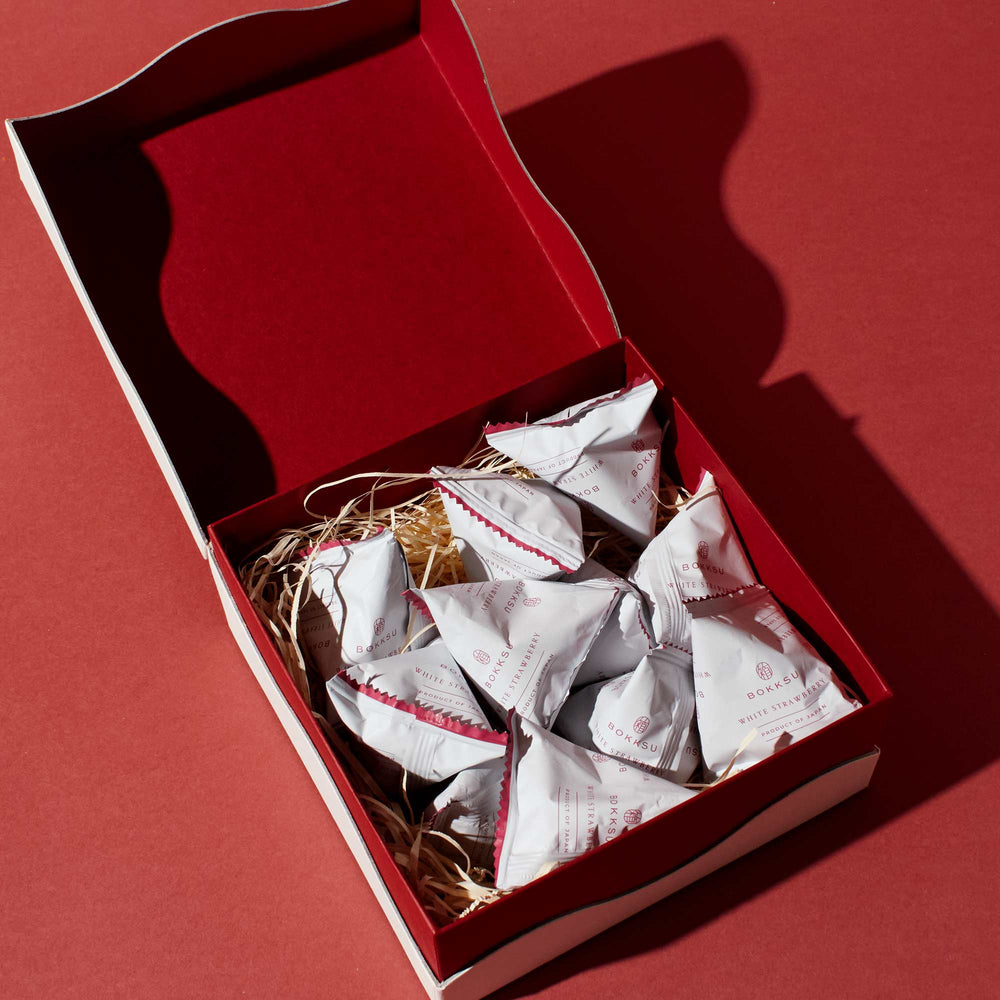
While you’re trying out the best Japanese healthy drinks, it makes sense that you treat yourself to some delicious snacks alongside. Bokksu offers gorgeous monthly subscription boxes that are filled with a selection of curated Japanese snacks and tea pairings.

Disclaimer
×Bokksu is not responsible for the accuracy of the products’ nutritional or allergen information. Warning: California’s Proposition 65 may be in effect. For more information,visit www.P65Warnings.ca.gov.
Some Bokksu Market products are produced overseas and may have a Production Date printed on the packaging, rather than a Best Buy Date as is standard in North America. If your product appears expired, do not be alarmed! This is most likely the Production Date. All items have been double checked to ensure they are not expired and safe to eat.
Disclaimer
×Bokksu is not responsible for the accuracy of the products’ nutritional or allergen information. Warning: California’s Proposition 65 may be in effect. For more information,visit www.P65Warnings.ca.gov.
Some Bokksu Market products are produced overseas and may have a Production Date printed on the packaging, rather than a Best Buy Date as is standard in North America. If your product appears expired, do not be alarmed! This is most likely the Production Date. All items have been double checked to ensure they are not expired and safe to eat.
-
Trending Posts

-


Author Bio
More from the blog
View all


