







Snack Like a Samurai: What Warriors Ate in Feudal Japan
Who Were the Samurai? A Brief Historical Bite

The samurai, Japan's legendary warrior class, remain one of the most fascinating symbols of Japanese culture. These elite fighters influenced history profoundly through their exceptional martial skills, steadfast loyalty, and strict observance of bushido, or the "way of the warrior." This ethical code stressed honor, self-discipline, respect, and, most importantly, loyalty, serving as the guiding principle for all their actions. Though skilled with various weapons, it was the sword that stood as their primary weapon and a powerful symbol of their rank and identity.
During Japan's Edo period, as the country moved into a more peaceful time, the samurai's role changed significantly. With less need for warriors on the battlefield, many samurai shifted into roles as scholars, administrators, and government officials. Their disciplined approach to life, deeply rooted in Zen Buddhist teachings, enabled them to govern with the same focus and commitment they once applied in combat. From warriors to guardians of civil order, the samurai left a lasting legacy that continues to shape Japan’s culture, history, and national identity.

Disclaimer
×Bokksu is not responsible for the accuracy of the products’ nutritional or allergen information. Warning: California’s Proposition 65 may be in effect. For more information,visit www.P65Warnings.ca.gov.
Some Bokksu Market products are produced overseas and may have a Production Date printed on the packaging, rather than a Best Buy Date as is standard in North America. If your product appears expired, do not be alarmed! This is most likely the Production Date. All items have been double checked to ensure they are not expired and safe to eat.


Disclaimer
×Bokksu is not responsible for the accuracy of the products’ nutritional or allergen information. Warning: California’s Proposition 65 may be in effect. For more information,visit www.P65Warnings.ca.gov.
Some Bokksu Market products are produced overseas and may have a Production Date printed on the packaging, rather than a Best Buy Date as is standard in North America. If your product appears expired, do not be alarmed! This is most likely the Production Date. All items have been double checked to ensure they are not expired and safe to eat.


Disclaimer
×Bokksu is not responsible for the accuracy of the products’ nutritional or allergen information. Warning: California’s Proposition 65 may be in effect. For more information,visit www.P65Warnings.ca.gov.
Some Bokksu Market products are produced overseas and may have a Production Date printed on the packaging, rather than a Best Buy Date as is standard in North America. If your product appears expired, do not be alarmed! This is most likely the Production Date. All items have been double checked to ensure they are not expired and safe to eat.
The Samurai Diet: Fuel for the Battlefield

For the samurai of ancient Japan, mealtime was a meaningful ritual that reflected their disciplined way of life. Grounded in the principles of washoku, or traditional Japanese cuisine, their diet emphasized balance, seasonal ingredients, and nourishment for both body and mind. A typical samurai meal was simple yet nutritious, often featuring rice, fresh vegetables, and fish. Staples like pickled vegetables, miso, and natto provided essential nutrients and supported digestion. Unlike modern eating habits, samurai ate just two meals a day, a practiced influenced by Buddhist teachings that promoted moderation and mindfulness. Every aspect of their food, from ingredient selection to food preparation, was thoughtfully aligned with the physical and mental demands of their training, making nutrition an essential part of their warrior lifestyle.
Rice Power: The Staple That Sustained Warriors

Rice has always been a cornerstone of Japanese cooking, and for the samurai, it served as the vital source of energy needed to power through their demanding routines. Whether it was hearty brown rice eaten by the lower classes or the more polished white rice preferred by many samurai, this staple food provided the energy needed for long hours of training and combat. One of the most convenient ways they enjoyed rice was in the form of onigiri (rice balls), which were easy to carry and quick to eat between duties. Filled with ingredients like pickled plum or dried fish, onigiri offered a practical mix of flavor and nourishment. Today, rice still holds a cherished place on the Japanese dining table, loved for its versatility and comforting qualities. With Bokksu, you can experience this tradition through rice-based snacks like crispy senbei crackers and puffed rice treats. Each bite brings a taste of Japan’s rich culinary history into the modern world.
Pickled and Preserved: Long-Lasting Flavors of War

In Japanese cuisine, tsukemono, or pickled vegetables, have long been a smart and flavorful way to preserve fresh produce while maintaining its nutritional benefits. Before refrigeration, pickling was a practical method for extending the shelf life of vegetables, making them a reliable and healthy part of the samurai diet. Beyond their durability, these pickles provided a bright, tangy contrast to richer dishes. Even today, tsukemono remain a key element of Japanese meals, especially when paired with sliced raw fish like sushi. Their sharp, acidic flavor helps cleanse the palate between bites of delicate seafood, allowing each taste to stand out. This appreciation for bold, preserved flavors continues in modern Japanese snacks as well. From umeboshi (pickled plum) chips to savory dried seaweed, treats like those found in curated Bokksu boxes carry on that same punchy, balanced taste the samurai once enjoyed, blending tradition with today’s love for bold, satisfying flavors.
Miso and Fermented Energy: Gut-Healthy Samurai Staples

In the samurai diet, nourishing foods like miso and natto played a vital role in supporting both physical strength and mental focus. Miso, a rich fermented soybean paste, is well-known for its health benefits, such as aiding digestion, boosting the immune system, and supporting heart health by helping manage cholesterol levels. Often enjoyed in comforting bowls of miso soup, it was a staple of Japanese food, providing warmth and sustenance after long, demanding days. Alongside miso, natto—fermented soybeans cultured with Bacillus subtilis—stood out for its sticky texture and strong, pungent aroma. Typically eaten with rice, a splash of soy sauce, and a dab of mustard, natto delivers a powerful dose of protein and probiotics. Today, the umami-rich and fermented flavors that once energized the samurai continue to inspire modern snacks, ranging from savory miso-seasoned crackers to tangy soy-based treats, many of which can be found in curated collections like those offered by Bokksu.
Sweet Victory: Traditional Sweets for Samurai Nobility

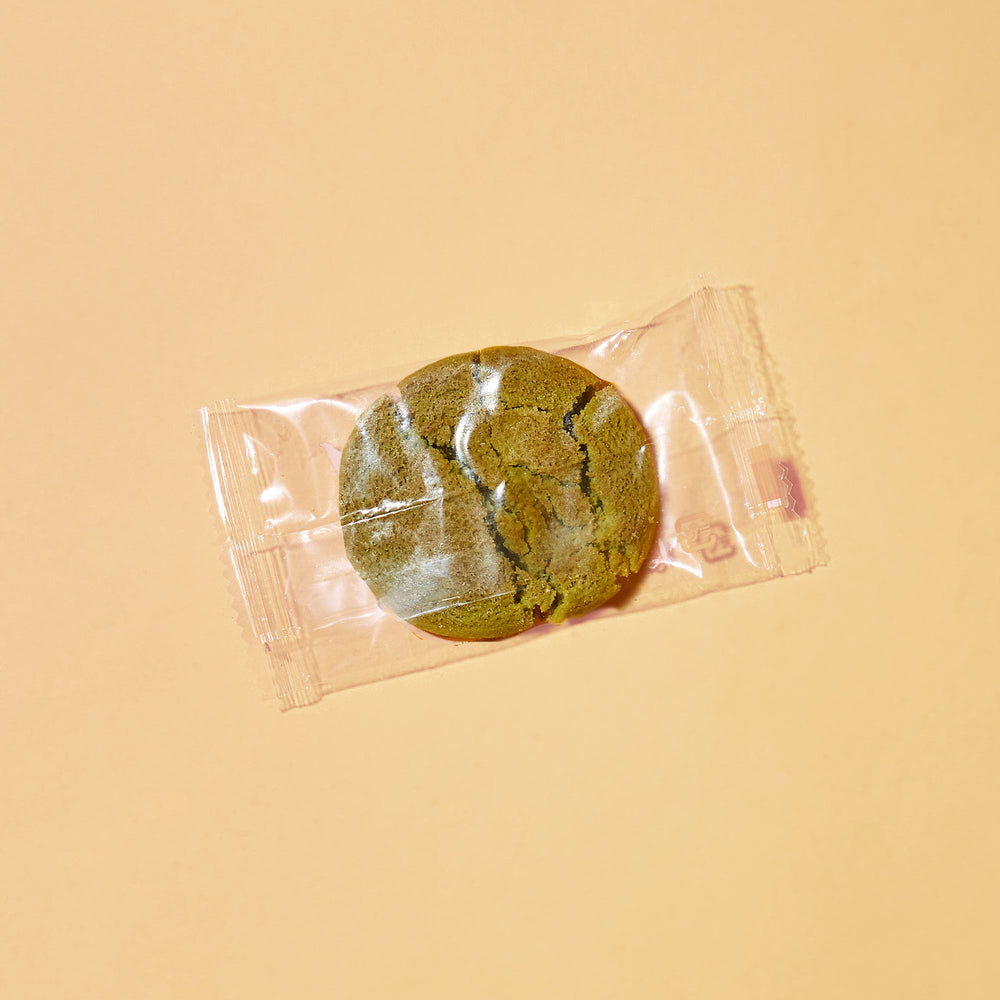
During the peaceful days of the Edo period, as the samurai evolved from fierce warriors into refined members of society, they developed a taste for exquisite traditional Japanese sweets known as wagashi. Carefully crafted with artistry and subtle flavors, these delicate confections were often enjoyed during tea ceremonies, offering a perfect balance to the earthy bitterness of matcha (powdered green tea). Long before wagashi became popular among the general Japanese people, the noble samurai and aristocrats prized these treats as symbols of status and elegance. Today, that same spirit of sophistication lives on in Bokksu’s diverse selection of snacks, featuring a variety of mochi (Japanese rice cakes) in unique flavors that capture the timeless charm of wagashi. Each bite offers a taste of tradition, inviting you to experience the luxurious side of samurai culture right at your own table.
Bokksu is not responsible for the accuracy of the products’ nutritional or allergen information. Warning: California’s Proposition 65 may be in effect. For more information,visit www.P65Warnings.ca.gov. Some Bokksu Market products are produced overseas and may have a Production Date printed on the packaging, rather than a Best Buy Date as is standard in North America. If your product appears expired, do not be alarmed! This is most likely the Production Date. All items have been double checked to ensure they are not expired and safe to eat.
Disclaimer
×

Portable Protein: Dried Fish and Energy-Packed Snacks

The samurai’s demanding lifestyle required food that was both practical and nutritious. During travel, training, or battle, they depended on dried foods like dried fish, abalone, and even dried taro stalks as vital sources of protein and energy. Lightweight, long-lasting, and easy to carry, these snacks were the perfect fuel for warriors on the move. Today, that tradition continues with modern energy-packed snacks. In Bokksu’s carefully curated snack boxes, you’ll discover flavorful nods to this heritage—treats like smoked crackers and peanuts, caramelized pistachios, and other crunchy bites that deliver bold taste and satisfying texture. Just like the samurai’s trusted provisions, these snacks are designed to keep you energized, but with a touch of sweetness and contemporary flair.
Snacks with a Kick: Wasabi and Spices in Samurai Cuisine

In samurai cuisine, bold spices like wasabi and karashi (Japanese mustard) were valued not just for their flavor but also for their practical uses. When enjoying fresh fish served raw, wasabi's natural antibacterial properties were especially important in helping to prevent foodborne illness, making it the perfect spicy pairing for sashimi and sushi. Karashi, made from strong mustard seeds, delivered a sharp, fiery heat and was commonly served with hearty rice dishes such as tonkatsu, gyoza, and braised pork belly. It was also traditionally believed to offer anti-inflammatory and antibacterial benefits, supporting overall wellness.
Today, these bold, spicy flavors continue to inspire modern snacks with exciting twists. For example, Komaru Potato Chips: Lucky Wasabi Mayo combine crispy, crunchy chips with creamy mayo and a zing of wasabi heat. Potato Chips: Wasabi deliver a clean, sharp burn that pays tribute to traditional Japanese spices. And for those who crave something both crunchy and bold, Kabuki Fried Rice Crackers: Wasabi Flavor offer a golden, curry-infused crispiness that packs a serious punch. These treats honor the samurai’s culinary legacy while reimagining those powerful flavors in fresh, delicious ways.
From Battlefield to Bento: The Legacy of Warrior Cuisine

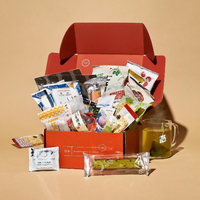
Over the centuries, the practical and nourishing foods once relied upon by samurai have quietly become part of everyday life in modern Japanese society. What started as simple, energy-packed meals—like rice balls, dried fish, pickled vegetables, and fermented soybeans—has grown into the convenient and flavorful treats readily available in convenience stores and supermarkets throughout Japan today. This transformation highlights the deep connection between Japan’s culinary past and present, showing how time-honored traditions continue to influence the modern culinary world. For anyone interested in exploring this fascinating journey, the Bokksu Snack Box offers a unique and exciting way to experience these authentic Japanese flavors firsthand, delivering a curated selection of traditional snacks right to your doorstep.
Channel Your Inner Warrior: Try a Samurai-Inspired Snack Experience

Ready to channel your inner samurai? Embracing the bold tastes and culinary traditions of Japan has never been more fun—or more delicious. From chewy rice cakes and fiery wasabi snacks to elegant wagashi once savored by noble warriors, each bite carries a story of discipline, strength, and cultural heritage. With a Bokksu Snack Box Subscription, each box is a journey through Japan’s rich food history, delivering thoughtfully curated treats that pay tribute to tradition while satisfying the modern snack lover’s palate. So gear up (no armor necessary) and experience what it truly means to snack like a samurai, one bite at a time.

Disclaimer
×Bokksu is not responsible for the accuracy of the products’ nutritional or allergen information. Warning: California’s Proposition 65 may be in effect. For more information,visit www.P65Warnings.ca.gov.
Some Bokksu Market products are produced overseas and may have a Production Date printed on the packaging, rather than a Best Buy Date as is standard in North America. If your product appears expired, do not be alarmed! This is most likely the Production Date. All items have been double checked to ensure they are not expired and safe to eat.
Disclaimer
×Bokksu is not responsible for the accuracy of the products’ nutritional or allergen information. Warning: California’s Proposition 65 may be in effect. For more information,visit www.P65Warnings.ca.gov.
Some Bokksu Market products are produced overseas and may have a Production Date printed on the packaging, rather than a Best Buy Date as is standard in North America. If your product appears expired, do not be alarmed! This is most likely the Production Date. All items have been double checked to ensure they are not expired and safe to eat.
-
Trending Posts

-


Author Bio
More from the blog
View all


