







Gourmet on the Go: Why Japan’s Ekiben Are So Special
The Origins of Ekiben: Japan’s On-the-Go Gourmet

While eating and drinking on local trains in Japan is usually considered impolite, the etiquette changes when it comes to long-distance travel. In fact, enjoying a meal while gazing out the train window has become a cherished part of train travel, particularly on the shinkansen, or bullet train. This is where ekiben comes in—a uniquely Japanese tradition that blends convenience, culture, and culinary craftsmanship into beautifully curated boxed meals. The term ekiben is short for ekisha bento, referring to a type of bento sold at train stations throughout Japan.
The very first ekiben dates back to the late 19th century at Utsunomiya Station in Tochigi Prefect, where it consisted of two freshly made onigiri (rice balls) and several slices of pickled daikon (white radish), all wrapped in bamboo leaves. As Japan's railway system grew, so did the ekiben tradition. What began as a simple, convenient meal gradually evolved into a national tradition when riding long distance trains, with each box showcasing local specialties that tell the unique story of their area.
Bokksu is not responsible for the accuracy of the products’ nutritional or allergen information. Warning: California’s Proposition 65 may be in effect. For more information,visit www.P65Warnings.ca.gov. Some Bokksu Market products are produced overseas and may have a Production Date printed on the packaging, rather than a Best Buy Date as is standard in North America. If your product appears expired, do not be alarmed! This is most likely the Production Date. All items have been double checked to ensure they are not expired and safe to eat.
Disclaimer
×

Bokksu is not responsible for the accuracy of the products’ nutritional or allergen information. Warning: California’s Proposition 65 may be in effect. For more information,visit www.P65Warnings.ca.gov. Some Bokksu Market products are produced overseas and may have a Production Date printed on the packaging, rather than a Best Buy Date as is standard in North America. If your product appears expired, do not be alarmed! This is most likely the Production Date. All items have been double checked to ensure they are not expired and safe to eat.
Disclaimer
×

Why Ekiben Are More Than Just Train Station Food

Eating ekiben offers a tasty glimpse into Japan's regional cuisines and traditions, turning an ordinary boxed lunch into a rich cultural experience. Unlike basic snacks like onigiri or sandwiches found at a train station or convenience stores, traditional ekiben are prepared with care, often highlighting local ingredients and distinct regional flavors. Each one serves as a little edible souvenir—carefully presented and designed to make your train journey special and memorable. They transform any train ride into an opportunity to try the diverse tastes of Japan, making ekiben a unique and must-try part of Japanese train station food culture.
Regional Bento Delights: Tasting Japan by Train

One of the most exciting aspects of traveling by shinkansen across Japan is the opportunity to sample the incredible variety of regional ekiben, each reflecting the flavors and culture of its local area. In Hokkaido, for instance, most ekiben highlight the island's rich coastal bounty, with luxurious ingredients like snow crab, salmon roe, and scallops taking center stage. In the Tohoku region, known for its hearty cuisine and snowy landscapes, you'll find lunch boxes featuring local specialties like Yonezawa beef, one of Japan's most renowned wagyu varieties, and tender gyutan (beef tongue), a Sendai favorite. Heading west to Hiroshima, a long-standing bestseller is the takomeshi, or Simmered Octopus Bento, an ekiben served in an octagonal box that pays homage to the octopus' eight legs. Down in Kyushu, you might encounter ekiben spotlighting karashi mentaiko (spicy cod roe), kurobuta pork, or even regional rice varieties and miso-seasoned vegetables. Each regional ekiben acts like a delicious postcard, inviting travelers to savor the essence of Japan's diverse culinary delights with every bite.
The Most Famous Ekiben to Try at Major Stations

If you're passing through a major station in Japan, trying some of the country's popular ekiben is an absolute must. Each flavor-packed lunch box reflects the local character and culinary pride of its region. A standout example is the Masu no Sushi Ekiben from Toyama, which features thin strips of salted and seasoned trout laid atop a perfectly round bed of sticky white rice. Over at JR Tokyo Station, the long-selling Chicken Bento is a comforting classic, offering crispy, spicy fried chicken paired with savory ketchup rice. It's a hearty, satisfying meal that has kept commuters and tourists coming back for decades.
A notable favorite is the Daruma Bento from Gunma Prefecture, designed in the shape of the iconic red daruma doll, which is known as a symbol of good luck, Inside, you'll discover a variety of traditional ingredients such as shiitake mushrooms, burdock root, bamboo shoots, and hearty root vegetables that highlight the region's earthy flavors. What sets this bento apart is that the container can be reused as a coin bank once the meal is finished. For those looking for a lighter option, the vibrant vegetable bento offers a mix of steamed and pickled vegetables, accompanied by two types of rice and a vegan omelet.
Sweet Endings: Desserts in Ekiben Culture

For food lovers, one of the quiet yet delightful pleasures of enjoying an ekiben is uncovering the sweet surprise tucked beside the savory dishes. Staying true to Japan’s culinary philosophy of providing a well-rounded, harmonious meal, many ekiben include a small dessert—be it a seasonal wagashi (traditional Japanese sweet), a locally made sponge cake, or a refreshing fruit jelly. These treats are often inspired by the craftsmanship of traditional Japanese confectioneries, reflecting the same meticulous attention to detail, balance, and seasonality that defines the entire meal. Whether it’s a sakura mochi in spring or a citrusy yuzu jelly in summer, these desserts offer a satisfying final note to your train journey, adding a touch of elegance and joy to the ekiben experience.
From Sightseeing to Souvenirs: Ekiben as Gifts

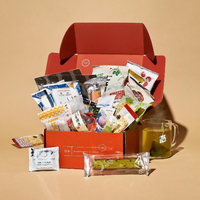
In Japan, local specialties are meant to be shared as much as they are enjoyed individually. That’s why ekiben-inspired snacks often appear in souvenir shops, delighting both travelers and locals with regional flavors packaged for sharing with friends and family. Bokksu captures this spirit through its carefully curated selections, delivering authentic taste experiences straight from the heart of Japan. For instance, the Japanese Treat Fruit Juice Gift Box features a refreshing assortment of premium juices made from locally grown fruits like crisp Aomori apples and succulent peaches from Yamanashi and Wakayama. Meanwhile, the July ’25 Bokksu: Chasing Hokkaido Summer box beautifully showcases regional snacks that celebrate the fresh, vibrant flavors of northern Japan’s summer bounty. For those who crave variety, the Japanese Savory Snack and Food Box offers everything from ramen and senbei (Japanese rice crackers) to regional chips, highlighting the incredible diversity of snacks found throughout the country. It's an incredible way to gift or enjoy the rich tapestry of Japan’s food culture without needing a train ticket.
The Art of Packaging: A Feast for the Eyes

One of the most delightful aspects of Japan's ekiben culture is the remarkable attention given to packaging. From collectible ekiben containers shaped like trains to eco-friendly wraps that emphasize sustainability, the box itself enhances the overall experience. A great example is the innovative self-heating ekiben, perfect for travelers on the move. With a simple pull-string mechanism, it activates a safe chemical reaction that produces heat and steam to warm the meal without the need for a microwave or stove. Another standout is the Moo Taro Bento from Mie Prefecture, served in a cow-shaped box that even plays music when opened, making the meal both fun and memorable.
For train enthusiasts, the Shinkansen E7 kei Bento available at Tokyo Station's Ekiben-ya Matsuri comes in a plastic box shaped like a bullet train and filled with classics like fried chicken, onigiri, and tempura. From Hyogo Prefecture, the Hipparidako Meshi arrives in a rustic clay that resembles the traditional octopus-catching pots used in Nishi Akashi, connecting the packaging directly to local culture. These creative containers demonstrate that ekiben are about more than just food—they’re about storytelling, convenience, and adding a touch of magic to every train journey.
Seasonal and Limited-Time Ekiben Specials

One of the most wonderful things about ekiben is how closely they mirror the changing seasons and local celebrations of Japanese cuisine. Throughout the year, many train stations offer limited-edition ekiben that showcase seasonal ingredients or celebrate nearby festivals, making each lunch box a true expression of its time and place. Whether it's spring's bamboo shoots and cherry blossoms, summer's fresh seafood harvest, or autumn's rich chestnuts and mushrooms, these bentos capture the spirit of the season. Special festival ekiben often include flavors and dishes tied to local traditions, inviting travelers to not only taste Japan’s regions but to experience their culture as well.
The Culture of Ekiben Collecting

For some travelers in Japan, eating ekiben has evolved into a true passion. Railway snack enthusiasts have turned collecting regional and limited-edition bento into a passionate hobby, seeking out unique gourmet offerings from stations across the country. These devoted fans often photograph and review each ekiben, sharing their finds online or within dedicated communities, and many even keep the distinctive containers as souvenirs. This growing trend has fostered vibrant networks where people exchange recommendations, post photos, and celebrate the ever-changing world of train station cuisine. What was once a simple meal has become a shared cultural experience—one that brings together travelers, locals, and food lovers through a mutual appreciation of Japan’s culinary diversity.
Experience Regional Japan with a Bokksu Snack Journey

Just like a well-chosen ekiben can turn a train ride into a culinary adventure, Bokksu brings the spirit of travel in Japan right to your doorstep. With a Bokksu Snack Box Subscription, each box is assembled to showcase authentic treats and specialties from different corners of Japan. Whether you're reminiscing about past adventures or simply dreaming of future trips, Bokksu lets you savor the magic of Japan's local flavors and traditions anytime, turning your snack time into a mini travel experience.
This September, Bokksu invites you on a journey with "Along Moonlit Tracks", a theme inspired by Japan’s exclusive luxury train trips—where scenic views, elegant design, and gourmet meals come together in motion. Dive into this month’s theme and experience the romance of Japan’s railways with every bite. Subscribe to Bokksu and start your adventure today!
Bokksu is not responsible for the accuracy of the products’ nutritional or allergen information. Warning: California’s Proposition 65 may be in effect. For more information,visit www.P65Warnings.ca.gov. Some Bokksu Market products are produced overseas and may have a Production Date printed on the packaging, rather than a Best Buy Date as is standard in North America. If your product appears expired, do not be alarmed! This is most likely the Production Date. All items have been double checked to ensure they are not expired and safe to eat.
Disclaimer
×
Bokksu is not responsible for the accuracy of the products’ nutritional or allergen information. Warning: California’s Proposition 65 may be in effect. For more information,visit www.P65Warnings.ca.gov. Some Bokksu Market products are produced overseas and may have a Production Date printed on the packaging, rather than a Best Buy Date as is standard in North America. If your product appears expired, do not be alarmed! This is most likely the Production Date. All items have been double checked to ensure they are not expired and safe to eat.
Disclaimer
×

-
Trending Posts

-

Author Bio
More from the blog
View all


